
The Top Spanish Cities for First-Timers
Spain has a long-standing habit of being many things at once: subtle and loud, ancient and modern, orderly and chaotically poetic. This duality can trip up a first-time visitor—mostly because the country has a frankly unfair number of cities worth visiting, each with its own gravitational pull. Deciding where to go first is like trying to pick a favorite pastry from a shop where everything is fresh, warm, and suspiciously well-priced.
This guide is your map through that labyrinth—a clean introduction to Spain’s essential cities and why they matter, what makes them distinct, and what you should actually do there if you want to come away with more than a camera roll of generic plaza fountains. Along the way, you’ll get gentle nudges toward Bite Sized Adventures, where we break down Spain in digestible travel nuggets, and our YouTube channel, where you’ll find full-length guides on living in Spain, slow traveling through it, and generally rearranging your life to spend more time here.
Take notes—or don’t. Spain will take care of the improvisation for you.
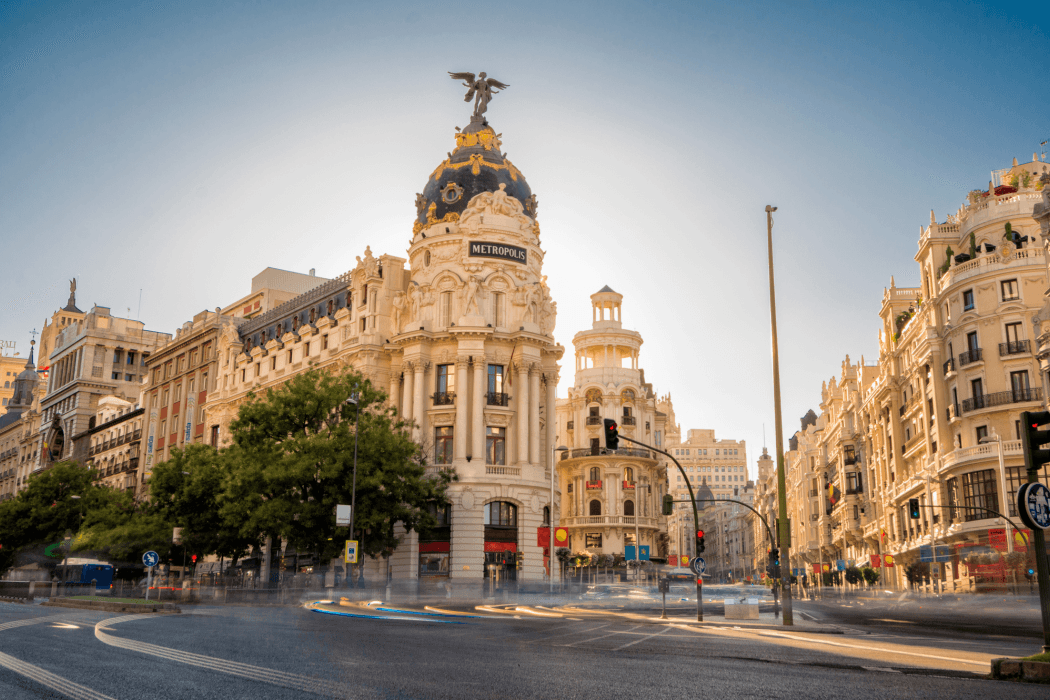
Madrid: The Capital That Doesn’t Care If You Expected Something Else
Madrid is one of the rare capitals that refuses to be defined by a single trait. It is not the city of romance, or of beaches, or of gothic mystery, or of alternative rebellion. It is, instead, a metropolis that simply exists at full volume, confident that you will figure out its brilliance sooner or later.
For first-timers, Madrid is essential because it teaches the rhythm of Spanish urban life: long streets lined with cafés that somehow fill and empty at the same time, sprawling museums that reward slow wandering, and neighborhoods that feel like entirely separate towns stitched together by an efficient metro and a collective fondness for late dinners.
Why Madrid belongs on your first-time itinerary
Because it refuses to perform for tourists
Madrid does not bend itself into a theme park version of itself. It is refreshingly indifferent. That’s the point. People live, work, argue, stroll, snack, linger, and take their time. If you want a city that feels like an actual city and not a postcard factory, this is your place.
Because it understands art at a suspiciously deep level
The triumvirate of the Prado, the Reina Sofía, and the Thyssen-Bornemisza forms one of Europe’s finest museum clusters. You don’t need to love art to appreciate it here—you just need comfortable shoes and perhaps a reminder from the universe that creativity doesn’t always come in algorithm-friendly formats.
Because of Retiro Park, which might convert even the staunchest indoor person
Retiro is where Madrileños go to breathe, read, nap, meet friends, paddle boats, and do absolutely nothing with conviction.
What to actually do in Madrid
• Do not rush the art museums. Pick one and commit.
• Wander Malasaña and Chueca—neighborhoods that are cool without demanding that you feel cool too.
• Eat at a table, not while walking. Eating while walking is a cultural misdemeanor in Madrid.
• Go to a rooftop. Not because influencers told you to, but because Madrid at sunset looks like it’s gently bragging.
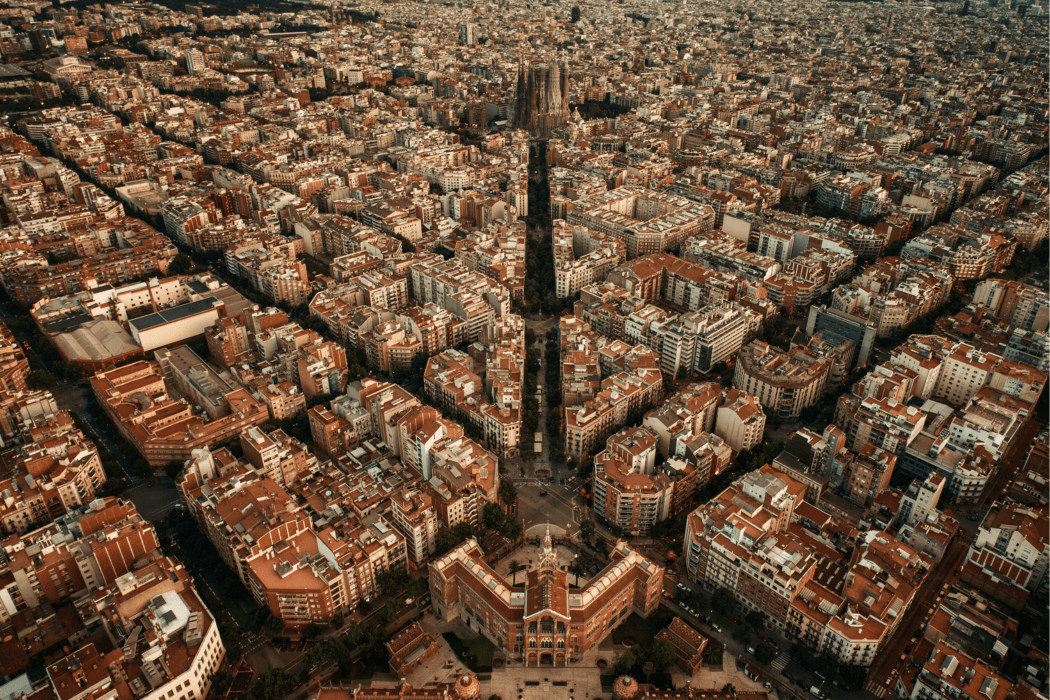
Barcelona: The City That Knows Exactly How Good It Looks
Barcelona is the charismatic kid in school who has both enviable style and genuinely interesting personality. The city is visually magnetic—Gaudí curves, Mediterranean blues, palm-lined avenues—but it also demands to be taken seriously beyond the aesthetics.
For first-timers, Barcelona delivers a sensory education: architectural imagination, seaside leisure, urban pulse, and a cultural identity so distinct that comparing it to anything else is an automatic faux pas.
Why first-timers fall for Barcelona
Because Gaudí makes adults believe in whimsy again
La Sagrada Família, Casa Batlló, Park Güell—these aren’t buildings; they’re what happens when architecture gets tired of being boring.
Because the Mediterranean changes everything
Even if you don’t step foot in the water, it changes the tone of the city. Air moves differently. People walk differently. Schedules extend. Perspectives stretch.
Because the city is built for walking
Flat, breezy, full of cafés, and visually interesting around every corner—Barcelona rewards those who wander without purpose.
What to actually do in Barcelona
• Book Sagrada Família in advance. Same-week tickets are a delusion.
• Walk the Eixample grid. It’s geometry made romantic.
• Avoid La Rambla as your main event. It’s the hallway, not the destination.
• Try vermut. Not “vermouth”—vermut, the Catalan version that makes pre-lunch drinking feel culturally sanctioned.
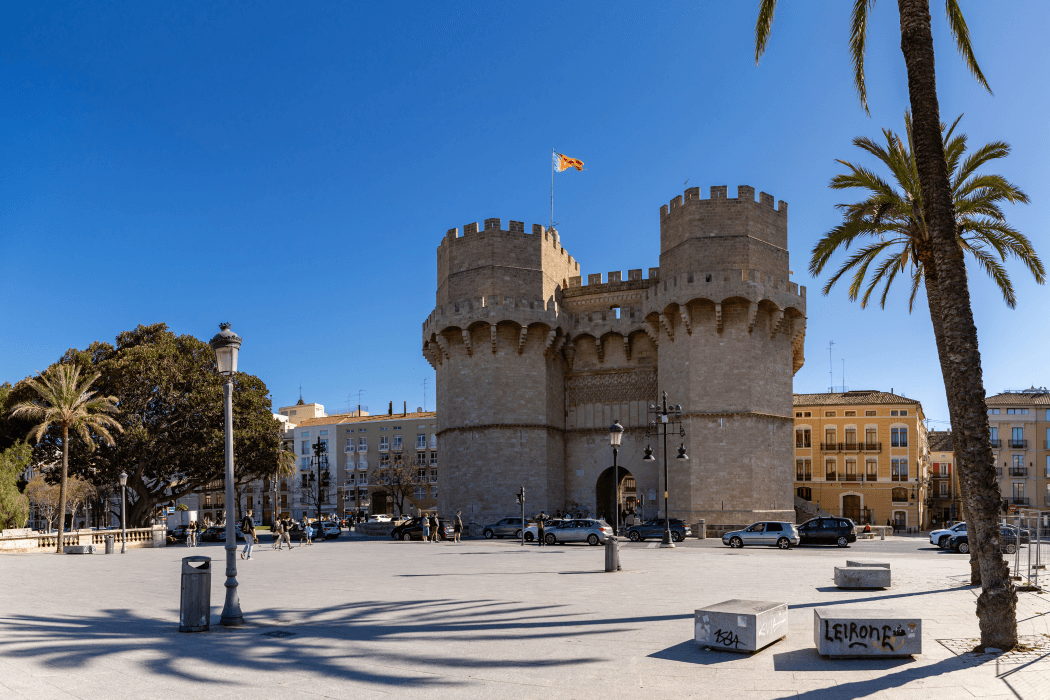
Valencia: The City That Quietly Outsmarts Everyone
Valencia does not brag. It doesn’t need to. The city excels at nearly everything—beach life, futuristic architecture, quality of life, food, and urban planning—yet it goes about all of this with the relaxed attitude of a place that has nothing left to prove.
For first-timers, Valencia is the most balanced entry point into Spain. It’s not as big as Madrid, not as crowded as Barcelona, and not as touristified as some coastal towns. It is, instead, a beautiful hybrid: history, modernity, greenery, coastline, and some of the best food in Spain.
Why Valencia deserves your early attention
Because of the Turia Riverbed Park
This is what happens when a city says, “What if we turned a dried river into a 9-km-long park?” and then actually does it. It’s one of the best urban green spaces in Europe.
Because it’s the birthplace of paella
Actual paella. Not the airport version. Not the seafood-heavy tourist adaptation. Valencia’s paella is humble, earthy, and tied to local rice fields.
Because of the City of Arts and Sciences
This futuristic architectural complex looks like it was dropped off by a passing spaceship with generous taste.
What to actually do in Valencia
• Rent a bike. The city is designed for it.
• Visit the Central Market. The building alone is worth the trip; the produce is the bonus.
• Spend a full day in the Turia Gardens. Your step counter will panic.
• Eat paella at lunch, not dinner. Locals take this rule seriously, and your digestive system will thank you.
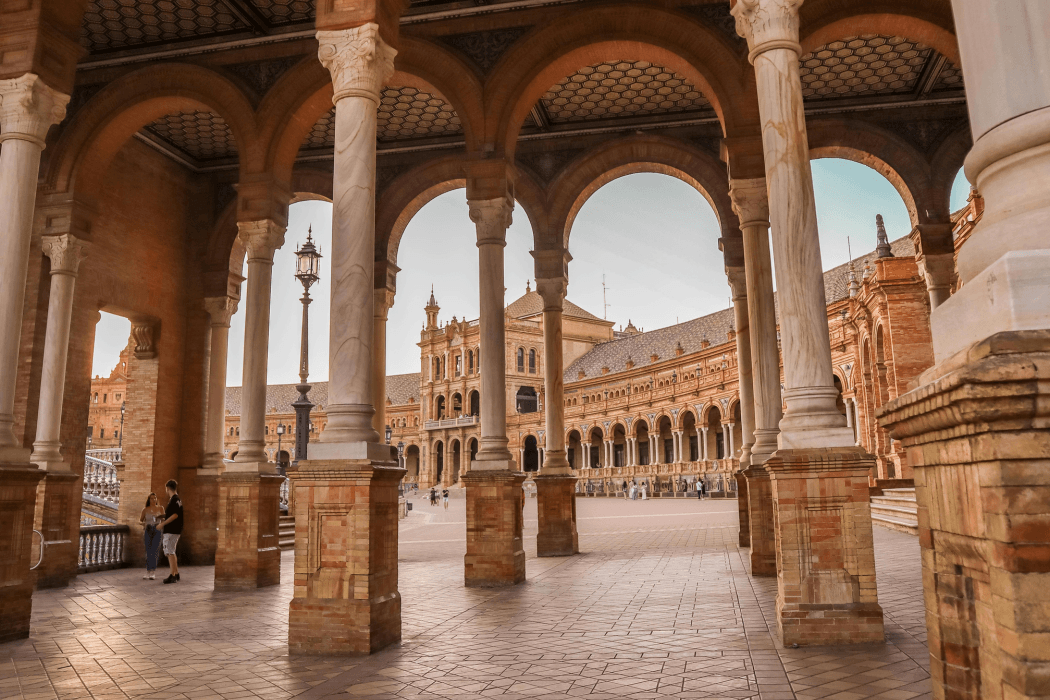
Seville: The City That Makes Time Slow Down (By Design)
Seville is warmth in architectural form: orange trees, sun-soaked plazas, tiled courtyards, and buildings that glow in late-afternoon light like they’re auditioning for a perfume commercial. But Seville is not soft—it’s confident, layered, and deeply sure of itself.
For first-timers, Seville is essential because it shows you how southern Spain interprets life: with lingering meals, strong identity, and architecture shaped by centuries of cultural blending.
Why Seville is unforgettable
Because the Alcázar rewrites your idea of beauty
Intricate tilework, gardens that seem to hum, halls that radiate symmetry—if architecture could meditate, it would look like this.
Because the Cathedral is enormous and somehow graceful
It’s one of the largest Gothic cathedrals on Earth, which usually implies heaviness, but Seville pulls off something astonishingly balanced.
Because neighborhoods feel like living stories
Santa Cruz is charming, but leave it and wander Triana, where life feels more grounded and daily.
What to actually do in Seville
• Visit the Alcázar in the morning. Your future self—who dislikes queues—will thank you.
• Climb the Giralda tower. No stairs, just ramps built centuries ago for horses.
• Walk along the Guadalquivir River. It’s peaceful even when busy.
• Experience a small, family-run flamenco venue. Not the flashy ones. The honest ones.
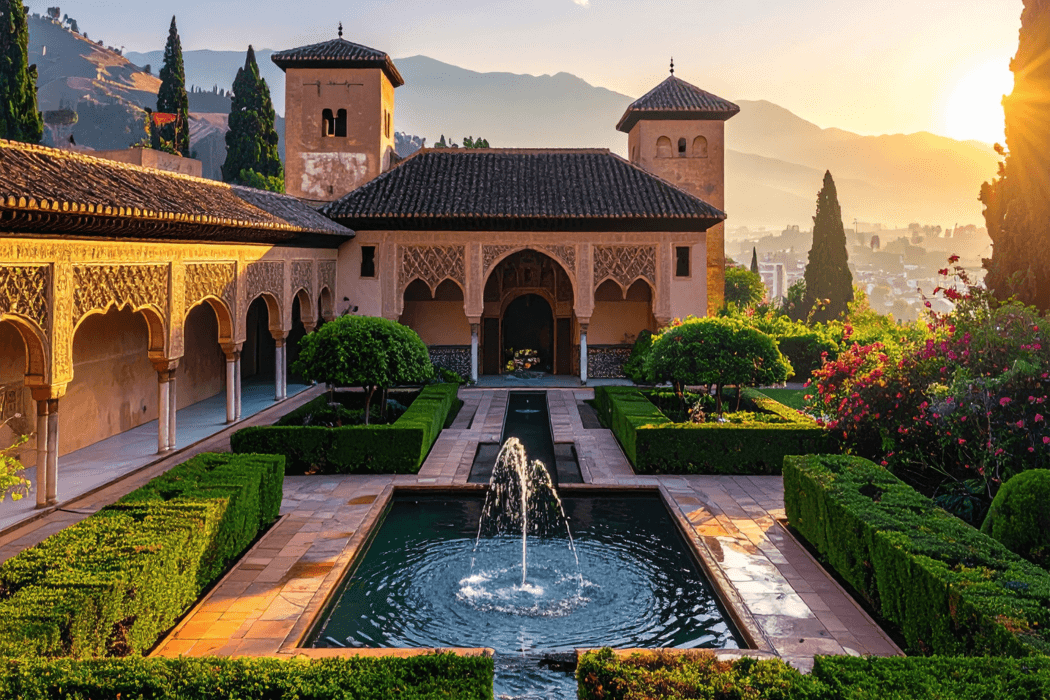
Granada: Proof That Small Cities Can Be Monumental
Granada is compact, but its cultural weight is enormous. Most visitors arrive for the Alhambra, and understandably so—it is one of the most extraordinary architectural sites in the world. But Granada’s magic goes beyond a single landmark. It’s in the way the city curls around a hill, in the scent of jasmine at night, in the layered histories visible in its streets.
For first-timers, Granada is where you learn that Spain is not a single story—it is a mosaic.
Why Granada is magnetic
Because the Alhambra exists
It is unlike anything else in Europe: part fortress, part palace, part suspended dream.
Because the Albaicín neighborhood offers views that don’t need editing
Winding lanes, hilltop lookouts, and vantage points where the Alhambra glows under the Sierra Nevada backdrop.
Because of the tapas tradition
Order a drink, get a tapa—automatically, no fuss. It’s not a marketing trick; it’s the culture.
What to actually do in Granada
• Book Alhambra tickets early. Yes, early. As in “weeks ago.”
• Walk up to the San Nicolás viewpoint. Preferably without rushing—the hill is honest about its incline.
• Lose yourself in the Albaicín. Getting slightly lost is part of the curriculum.
• Visit the Sacromonte caves. Not for a performance necessarily—just to understand the environment.
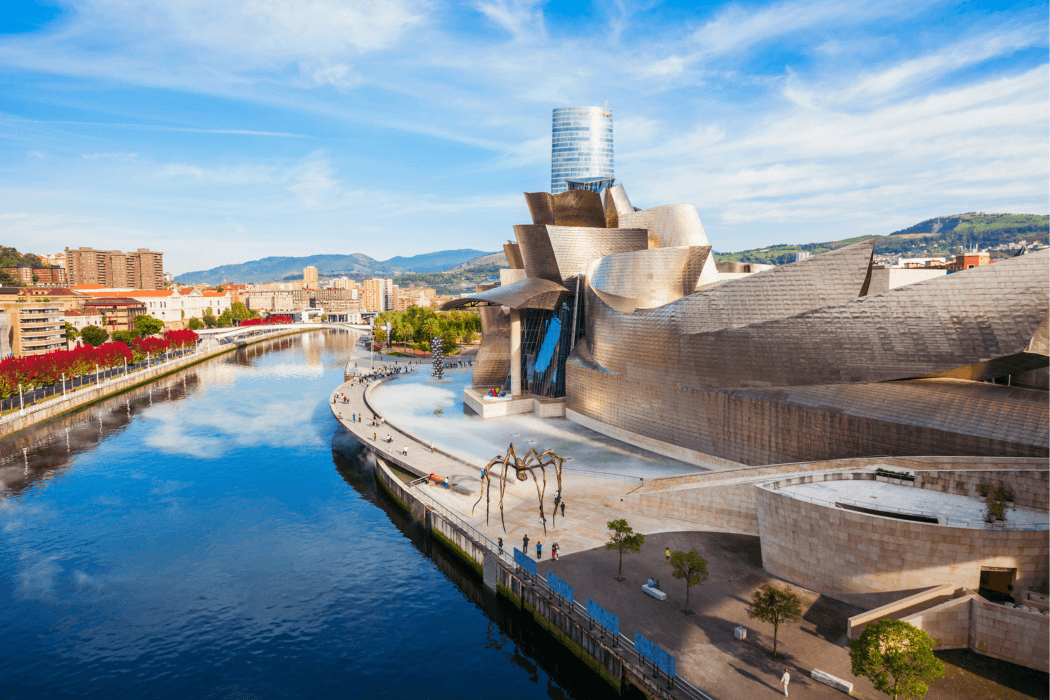
Bilbao: The City That Proves Reinvention Is an Art Form
Bilbao is the opposite of stereotypical “sunny Spain.” It is green, misty, and architecturally bold. Once an industrial city, it reinvented itself with a blend of design, culture, and urban regeneration so successful that other cities across Europe studied it like a case file.
For first-timers, Bilbao introduces yet another version of Spain—Basque Country, with its own language, culinary traditions, and cultural landscape.
Why Bilbao is worth your time
Because the Guggenheim Museum changed everything
The building alone is worth the trip—a glimmering, curved, titanium masterpiece that looks like it’s in constant motion.
Because the food is exceptional
Pintxos—the Basque cousin of tapas—turn eating into a delightful strategic challenge involving skewers, ingredients you can’t quite identify, and the deeply satisfying realization that everything tastes good.
Because the scenery is unexpectedly dramatic
Verdant hills. Rugged coastline. Urban calm surrounded by nature.
What to actually do in Bilbao
• Spend time outside the Guggenheim too. The sculptures, the riverside promenade, the reflection pools—they’re part of the experience.
• Explore the Old Town (Casco Viejo). Compact, walkable, full of cafés.
• Eat pintxos. Methodically. Joyfully.
• Take the funicular up to Artxanda. Bilbao from above looks like it’s posing.
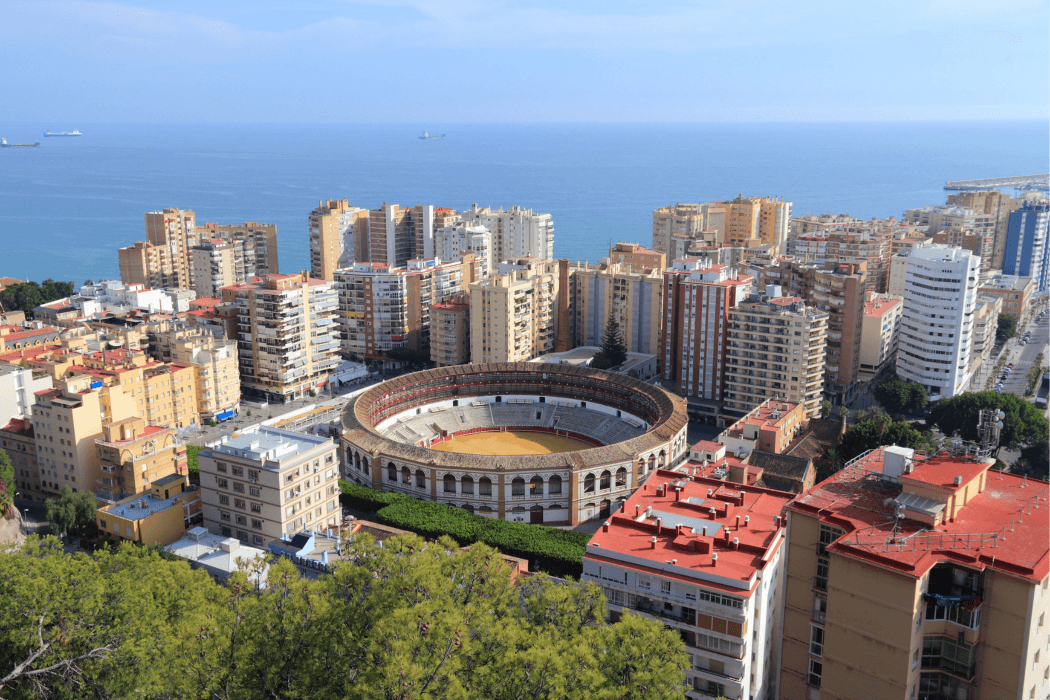
Málaga: The City That Got Tired of Being Underestimated
For years, Málaga was treated mostly as a gateway to the Costa del Sol—an airport city. Then the city, presumably tired of being overlooked, underwent a renaissance: new museums, cleaned-up port areas, revitalized historic streets, and a cultural scene that refuses to slow down.
Now, Málaga is one of Spain’s most enjoyable coastal cities, blending art, beaches, and urban energy.
Why Málaga surprises first-time visitors
Because it understands art better than you think
Picasso was born here, a detail the city has quietly turned into two excellent museums.
Because the waterfront is actually inviting
Not all urban beaches are created equal, but Málaga’s are good enough to spend entire days on.
Because the old town is vibrant without being chaotic
Plazas, palm trees, warm facades, and streets that somehow feel both ancient and modern.
What to actually do in Málaga
• Visit the Alcazaba. It’s like a compact cousin of Granada’s Alhambra.
• Walk the Muelle Uno waterfront. Trendy without trying too hard.
• Explore the art museums. There are many—Málaga collects them like postcards.
• Try fried fish (pescaíto). The local pride is justified.
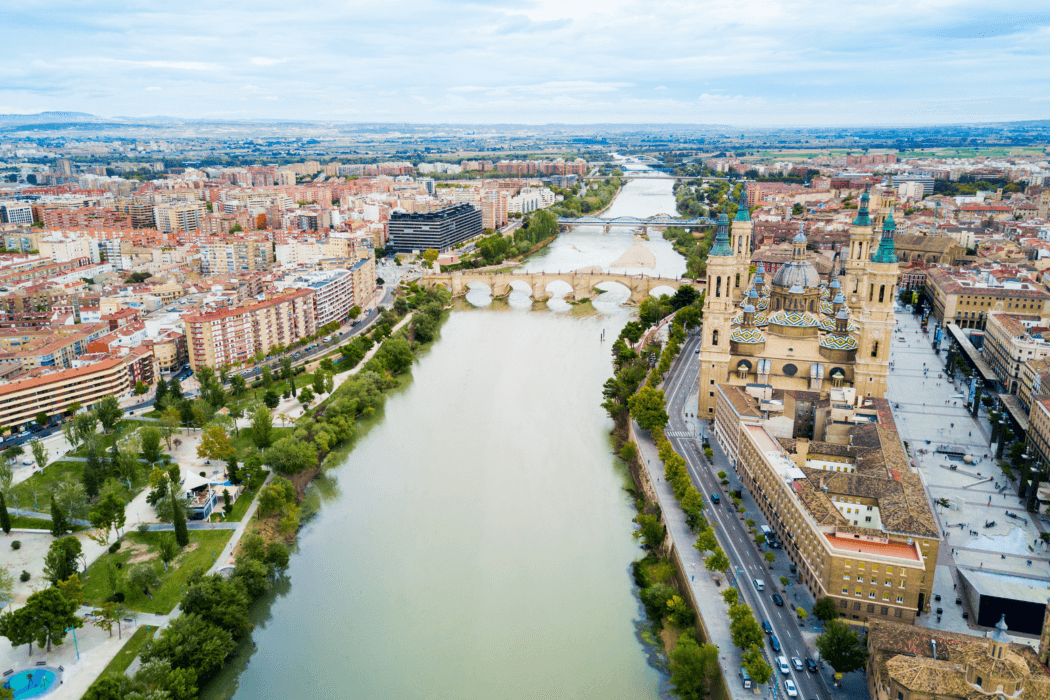
Zaragoza: For Travelers Who Appreciate Underrated Brilliance
Zaragoza is rarely someone’s first choice, which is exactly why it deserves to be. It sits between Madrid and Barcelona—geographically and often metaphorically overlooked—but it rewards travelers who show up.
The city offers Roman ruins, Mudéjar architecture, one of Spain’s most impressive basilicas, riverside promenades, and a local culture that doesn’t revolve around tourism.
Why Zaragoza matters
Basilica del Pilar
A skyline-defining landmark that looks like an elaborate architectural dare.
Mudéjar architecture
Aragon’s unique blend of Christian and Islamic artistic elements is on full display.
Food culture
Zaragoza’s tapas scene is lively, affordable, and pleasantly unpretentious.
What to actually do
• Do a tapas crawl in El Tubo. A sensory education.
• Walk along the Ebro River. Especially during golden hour.
• Visit the Roman Theater. History without crowds.
• Pop into the museums. Zaragoza has a habit of being quietly impressive.
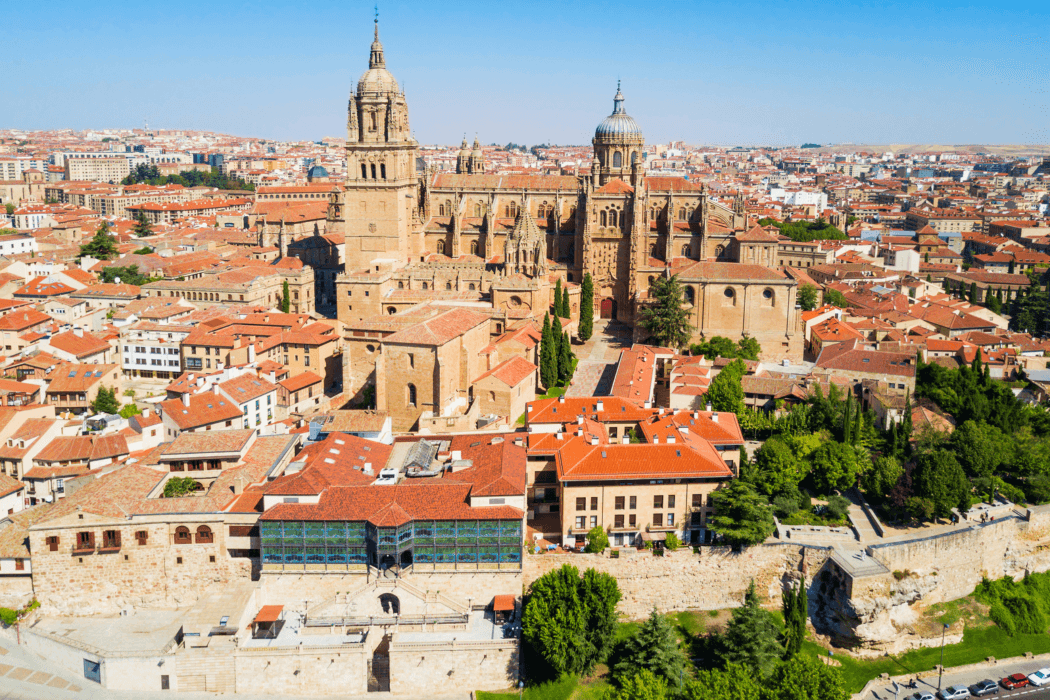
Salamanca: The City That Knows How to Glow
Salamanca is golden—literally. Its sandstone buildings catch the light in a way that feels almost theatrical. It is home to one of the oldest universities in Europe, meaning the city blends historic grandeur with youthful energy.
Why Salamanca captivates
Plaza Mayor
Arguably the most beautiful plaza in Spain, though opinions may lead to friendly debate.
The Old University
Ornate façades, including a famous frog you’re contractually obligated to try and find.
Golden sandstone architecture
The city lights up like it swallowed the sun.
What to do
• Visit the University libraries. They’re cinematic without trying.
• Walk across the Roman Bridge. For perspective—literal and figurative.
• Watch the Plaza Mayor come alive at night. It’s soft magic.
Final Thoughts: Choosing Your First Spanish Cities
Spain is not one country—it’s many countries politely sharing paperwork. Each city offers its own worldview, its own pace, its own definition of beauty. For first-timers, the best approach is a blend: one major city (Madrid or Barcelona), one southern gem (Seville or Granada), and one coastal or alternative city (Valencia, Bilbao, Málaga, Zaragoza, or Salamanca).
And when you’re ready to dive deeper—whether you’re planning a slow travel journey, scouting cities to live in, or just hungry for more insight—you’ll find plenty of practical guidance on:
• Bite Sized Adventures (for short, digestible insights)
• Our YouTube channel (full guides on life in Spain, slow travel, budgeting, visas, and how to make this dream actually happen)
Spain rewards curiosity. Start anywhere on this list, and you’ll end up returning—probably with a longer itinerary and a growing suspicion that life is better when you’re not rushing.
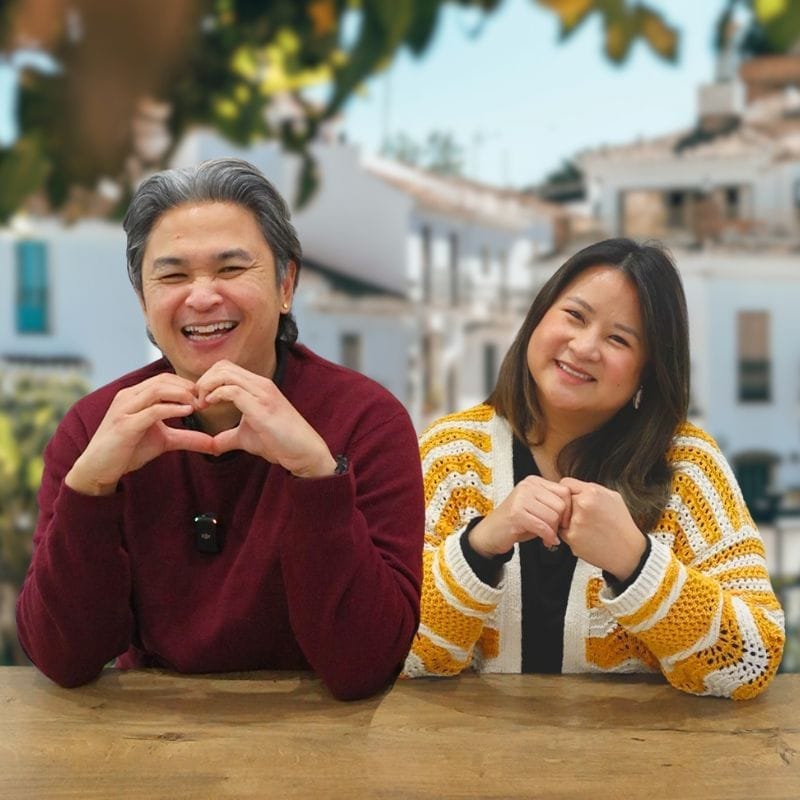
Hello, we're Bea and Paul…
...and we know exactly what it’s like to chase that better life. We spent 13 years working hard in Southern California, but after wrestling with one immigration hurdle after another, we realized that the "American Dream" wasn't quite working out for us. So, we sold everything, packed our bags, and moved to Spain—site unseen!
Our YouTube channel, Everything is Boffo (Life in Spain), tells the whole crazy story, from our first jamón to navigating our own residency here. We share the realities of life in Spain, the slow travel, the good food, and how we make it all happen.



Disclaimer: This content is provided for general informational and educational purposes only and should not be considered legal, financial, tax, medical, or immigration advice. Rules, visa requirements, housing regulations, tax obligations, and public services in Spain can change frequently and may vary depending on your nationality and personal circumstances. Always verify information with official government sources or qualified professionals before making decisions. Some links, resources, courses, consultations, and recommended services mentioned throughout our content may be affiliate partnerships, meaning we may earn a commission at no additional cost to you if you choose to use them. We only share resources, professionals, and services we genuinely trust or believe may be useful to our community. Any opinions expressed are our own and based on personal experience, research, interviews, and publicly available information at the time of publication.
Support from readers who use our links, courses, or resources helps us keep this information free, maintain the platform, and quite literally keep the lights on at home so we can continue producing guides like this for the community.
Newsletter
Subscribe now to get the latest updates.
Created with © systeme.io