
Spain Digital Nomad Cities 2026: Where Remote Workers Are Actually Moving (And Why It's Not Barcelona)
They're Done With Barcelona. Here's Where Digital Nomads Are Actually Moving in Spain in 2026.
An investigation into the cities and towns quietly stealing the spotlight — and what it means for your move.
Something shifted in the digital nomad conversation about Spain sometime around late 2024, and it's become impossible to ignore in 2026.
The posts started appearing in the forums more frequently. Not "where's the best coworking space in Barcelona?" or "is Madrid worth it?" — those conversations have been had a thousand times. The new posts sound different.
They sound like this:
"I've been in Valencia eight months and I'm already looking at something smaller."
"Barcelona was incredible for three months. Now I just want to actually live somewhere."
"Nobody's talking about Cádiz and I'm starting to wonder if I should just keep quiet."
The smartest nomads in 2026 are not asking "which city is everyone going to?" They're asking "which place quietly checks my boxes before the crowd gets there?"
This is an investigation into what the forums are saying, and where those conversations are pointing.
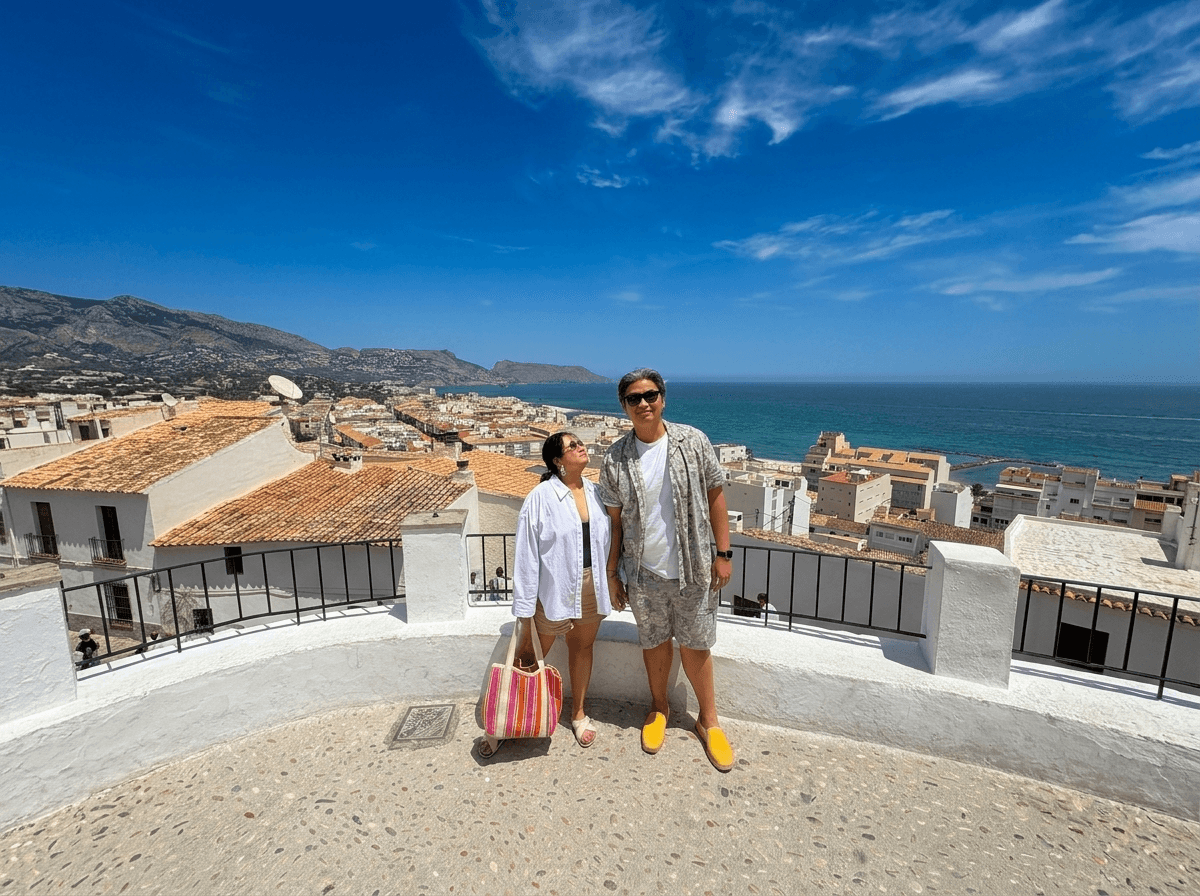
First: Why Spain Is Still the Destination
Before we get to the under-the-radar spots, the baseline reality deserves acknowledgment: Spain is dominant.
In 2025, Spain was the most popular digital nomad destination for UK citizens, driven by its high-speed internet (among the fastest in the world), its specialised Digital Nomad Visa, over 300 days of sunshine, and a cost of living anywhere between 20% to 40% lower than in the UK.
The numbers on the DNV are worth knowing, since they changed again in early 2026. On February 18th, 2026, Spain's Council of Ministers raised the minimum wage to €1,221 gross per month, which is 3.1% higher than the 2025 level. The Digital Nomad Visa income threshold is set at 200% of the annual SMI, producing a minimum monthly income of €2,849 for a single applicant in 2026, equal to €34,188 per year. When family members join the application, the required income increases by €1,069 per additional adult and €357 per child.
The DNV also changed in ways that matter beyond the income threshold, and if you're seriously considering applying, we just released a full update on the current state of the Spain Digital Nomad Visa that covers everything you need to know for 2026. Watch it here: youtu.be/wxc3yDnYY18 🎬
Now, where is everyone going?
Tier 1 Reinvented: The Cities People Used to Skip
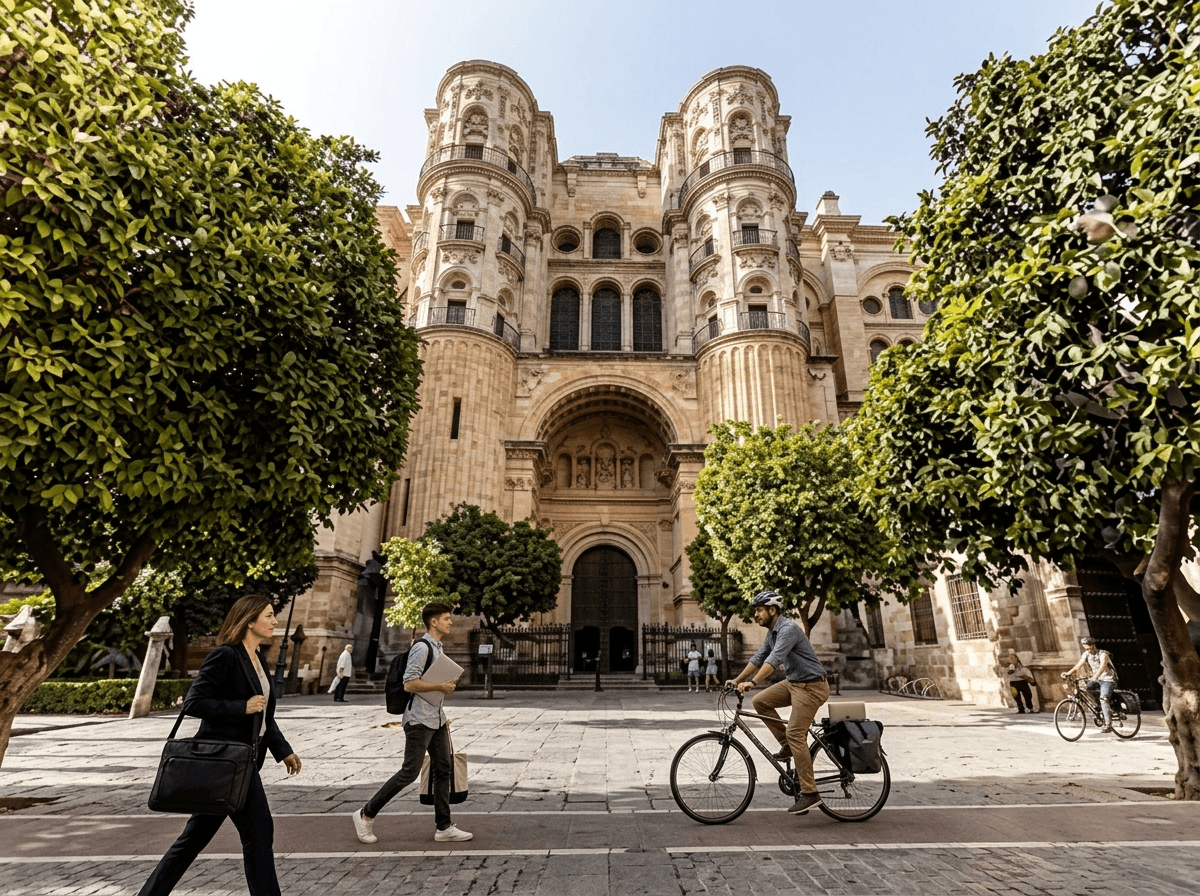
🌞 Málaga — The One That Actually Arrived
Málaga is Spain's rising tech capital and a new favourite for nomadic executives. Its subtropical climate, growing coworking ecosystem, and lower prices than Madrid or Barcelona make it a top pick for sun-seeking professionals who still want city comforts. The city's transformation into a smart-city hub with digital talent incentives has made it especially compelling in recent years.
The tech scene is booming, with Málaga attracting major technology companies and building infrastructure specifically designed to draw international remote talent. Coworking spaces like The Living Room, Innovation Campus, and Grow Working have a critical mass of members that makes the community feel real rather than aspirational.
The forums note one important caveat: while Málaga offers a lower cost of living than Madrid or Barcelona, prices are rising as its popularity booms. If the city centre is getting too pricey, towns along the Costa del Sol offer a quieter, more affordable alternative.
The window for Málaga at bargain prices has narrowed considerably. But for the quality of life it delivers at its current price point, it remains remarkable value and nowhere near as saturated as Barcelona has become.
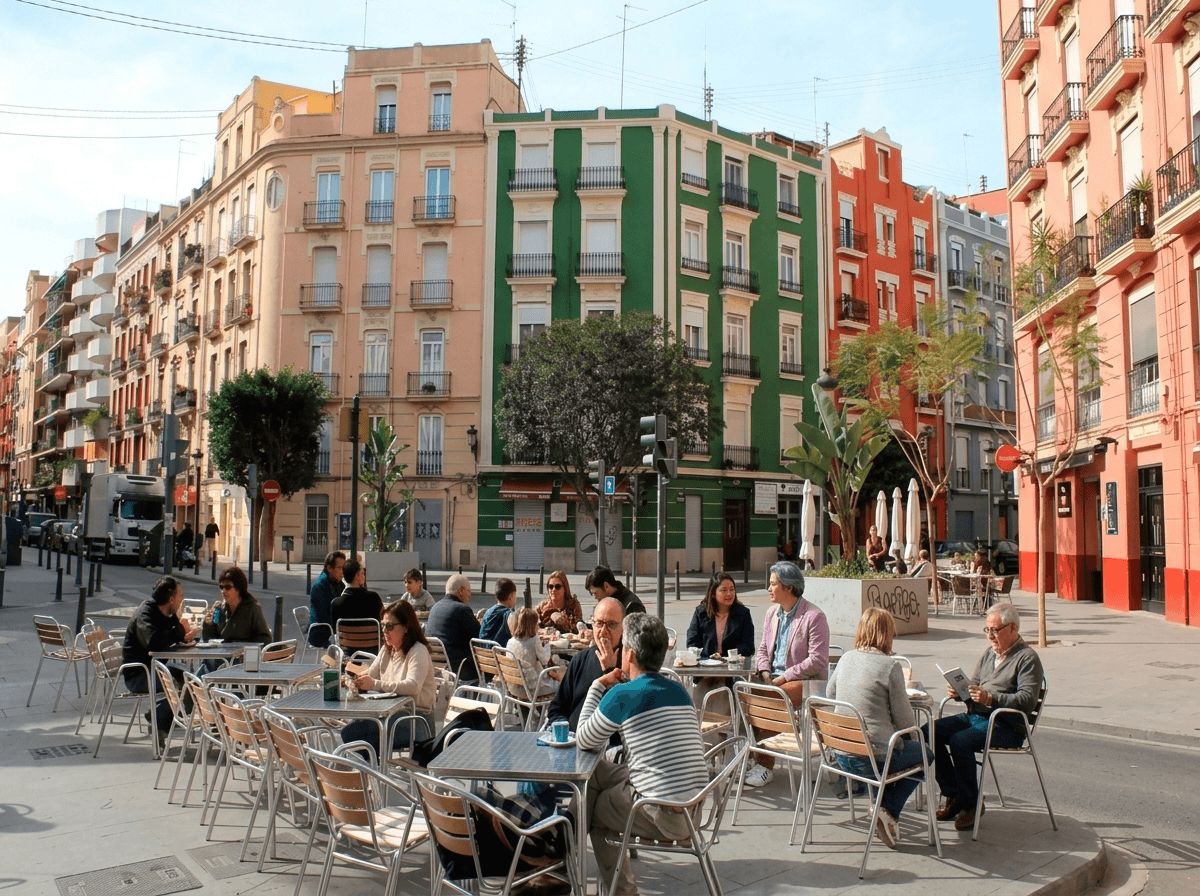
🚲 Valencia — The Consensus Favourite That's Still Earning It
In recent discussions across nomad forums, Valencia consistently wins the title of "Best Balanced Lifestyle." A significant portion of remote workers cite the perfect mix of affordability, a relaxed beach-town vibe, and urban amenities.
Valencia offers everything the bigger cities do — stunning beaches, incredible food, historic architecture — but at a fraction of the cost and without overwhelming tourist crowds. The city is flat and highly cyclable, with the beautiful Turia Park running through its centre.
The neighbourhoods doing the most work in nomad forums right now: Ruzafa for community and nightlife, Benimaclet for a genuinely local feel at lower rents, and El Cabanyal for those who want to be near the beach without paying the Barceloneta premium.
The honest forum caveat: Valencia is no longer a secret. Co-working spaces are abundant in neighbourhoods like Ruzafa and El Cabanyal, and the city is quickly becoming a rising star, which means prices are moving. Those who arrived in 2022 and 2023 got a different city than those arriving now. It's still excellent. It's just no longer undiscovered.
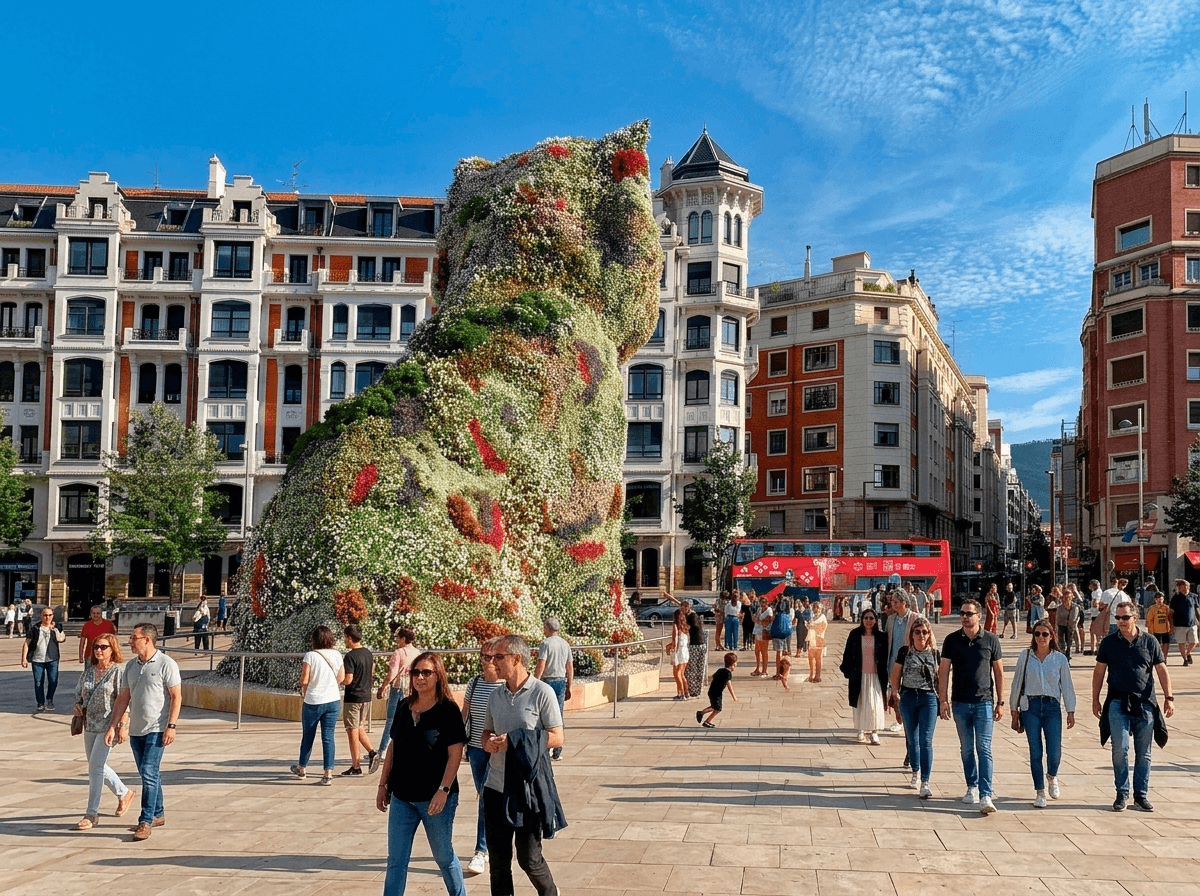
🎨 Bilbao — The Quiet Achiever of the North
Bilbao barely gets mentioned in the generic "best cities for nomads" lists, and that is precisely why the forums love it right now.
Bilbao has quietly transformed from an industrial city into a cultural and culinary powerhouse. With the Guggenheim Museum as its icon, it blends avant-garde architecture with Basque traditions and has an underrated coworking ecosystem. It's ideal for nomads who prefer authenticity over trendiness.
The community is described across forums as "growing slowly, which is exactly the point." It attracts designers, foodies, and long-term expats rather than the transient hostel circuit. Internet speeds reach 100 to 300 Mbps in most areas.
What makes Bilbao distinct from every other city on this list is the food. The pintxos bars of the Casco Viejo are not a tourist attraction — they are where people eat, every single day. If your quality of life is materially improved by extraordinary food at reasonable prices, Bilbao will exceed expectations significantly.
One honest downside: the weather. The Basque Country is green because it rains. If sunshine is non-negotiable, file this one under "long weekends" rather than "base camp."
Tier 2: The Cities the Forums Are Whispering About
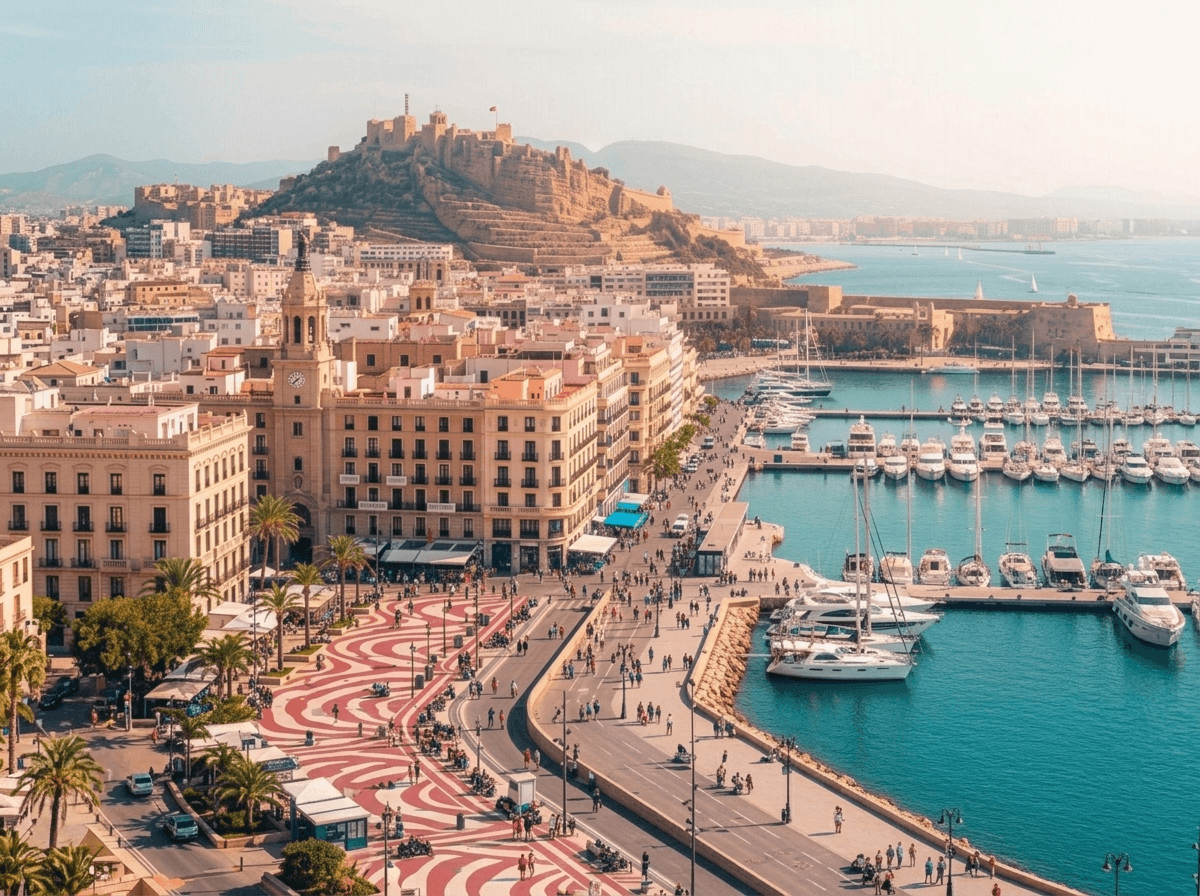
🏖️ Alicante — The Affordable Coast That Flew Under the Radar
Often overlooked, Alicante is one of the most affordable coastal cities in Spain. It's smaller and more relaxed but still offers great infrastructure and an international airport with connections across Europe.
Alicante gets high points for affordability, far better than Spain's bigger cities, which is surprising given its coastal location. The city centre is compact and walkable, and locals are experienced with international visitors, with English widely understood. For safety, the city consistently scores well in expat surveys.
The nomad community skews younger and more transient than Valencia — less "settled expat family" and more "six months figuring things out" — but that brings its own energy. Forum posters repeatedly flag it as an underrated base for exploring the wider Costa Blanca, including the gem of Jávea just up the coast.
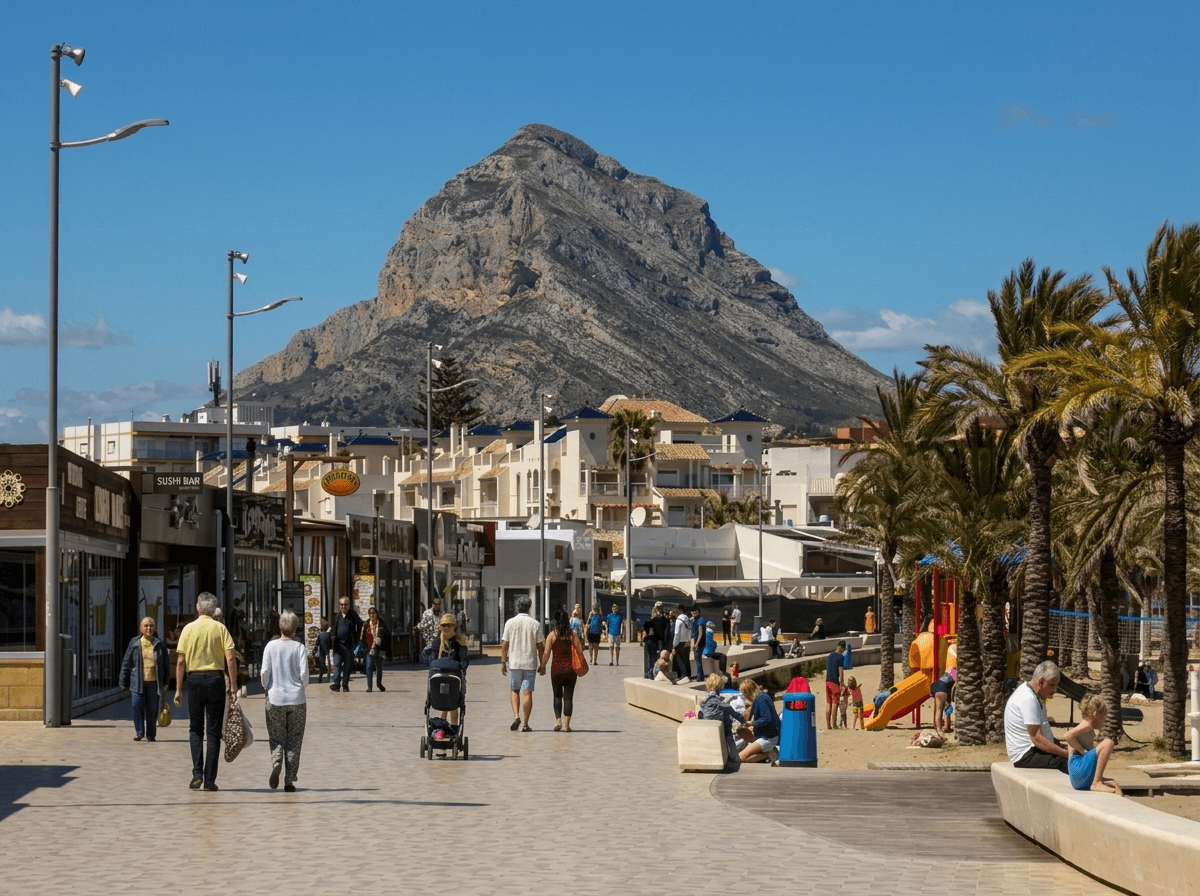
🌊 Jávea (Xàbia) — The Coliving Town With a Cult Following
Jávea is a beautiful coastal town on the Costa Blanca. What attracts digital nomads specifically is the coliving space called Sun and Co., which operates as a nomad-focused coliving space from September through May and as a hostel in summer. Jávea offers a historic old town, a long sandy beach lined with bars and restaurants, and easy car access to coves and hiking areas along the Costa Blanca.
The forums treat Jávea not as a place to live long-term but as a place to land — a soft entry point into Spain's nomad community before committing to a city. Multiple posts describe it as the place that convinced them to stay in Spain when they were still on the fence.
Around 50% of Jávea's permanent inhabitants are not from Spain. If you want to arrive somewhere and immediately have community, Jávea delivers. If you want to disappear into local Spanish life, go somewhere else.
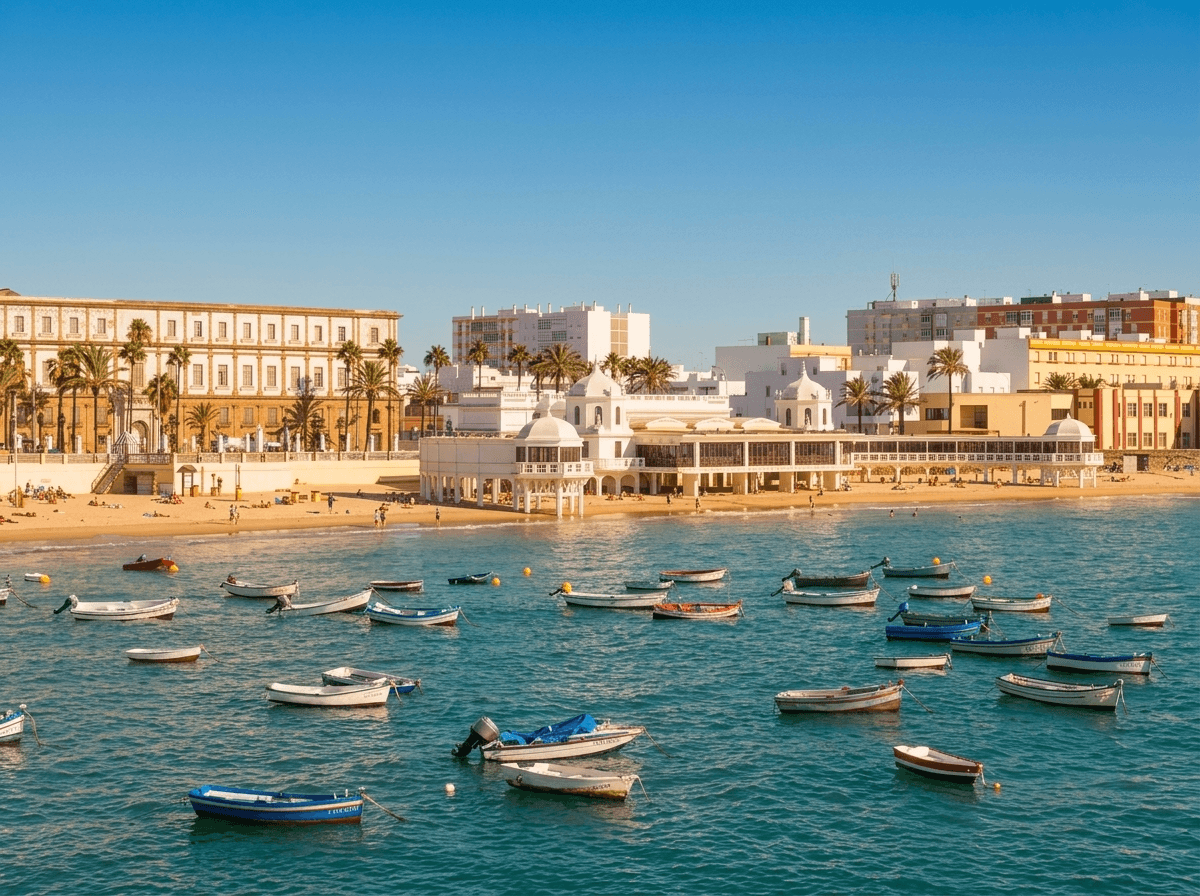
🌊 Cádiz — The Atlantic Wildcard
Its charming winding streets, incredible sandy beaches, and beautiful lively plazas attract expats who also value the low cost of living. Accommodation, transport, and food are all affordable, and Cádiz is a paradise for those who love fresh, high-quality fish and seafood.
What the forums say about Cádiz that the official guides don't: it is the city in Spain that feels least like it's performing for anyone. It is old, compact, salty in the best sense, and entirely itself. The food — pescaíto frito in paper cones, tortillitas de camarones, cold fino sherry — is extraordinary at genuinely local prices.
The main downside is connectivity. Cádiz isn't as well-connected as other Andalusian cities without a car. But forum posters consistently treat this as a feature rather than a bug. You're not in Cádiz for access to everywhere else. You're in Cádiz because Cádiz is enough.
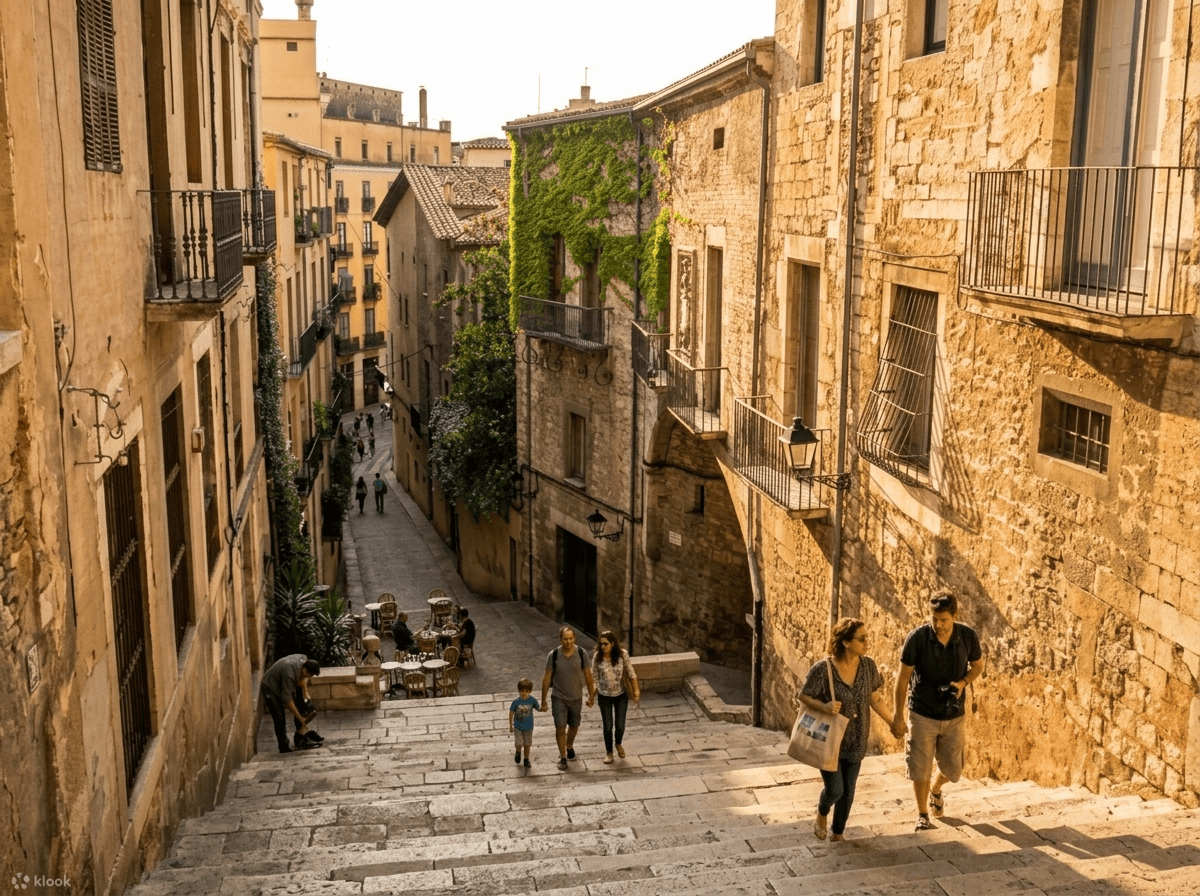
🍷 Logroño — The Most Surprising Name on This List
One of the main advantages of living in Logroño is proximity to incredible landscapes, from the famous Camino de Santiago to lesser-known hiking trails. Food is a significant aspect of the city, with the centre lined with bars serving pintxos. Estimated monthly costs sit at approximately €450 for a one-bedroom rent outside the centre, plus around €200 for food — a total of roughly €650 per month.
€650 per month. For a city with world-class wine, extraordinary food, and genuine Spanish life. Logroño appears in forums with increasing frequency from nomads who've exhausted the obvious list and are looking for something that still feels real. The downside of grey winters is real and significant. The upside of La Rioja's food and wine culture on your doorstep at provincial prices is equally real.
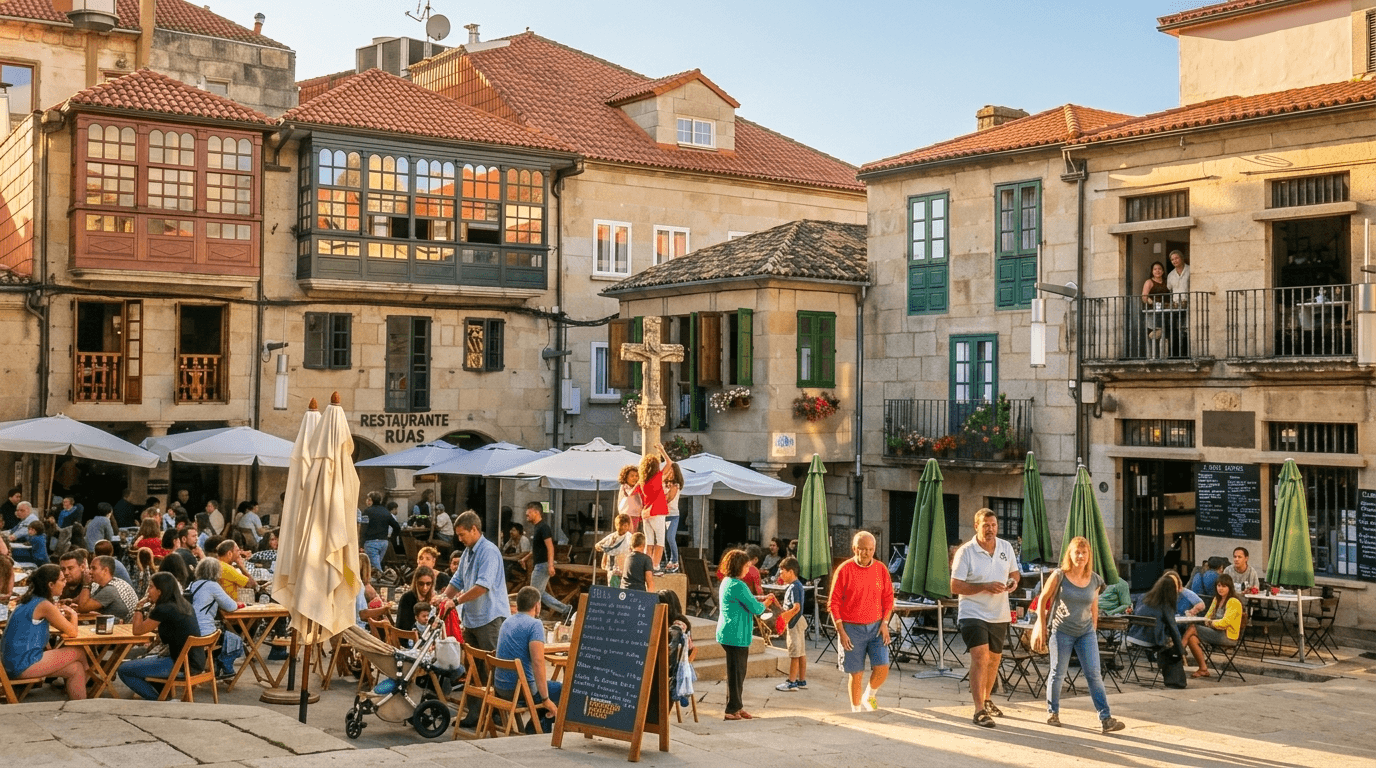
🌿 Galicia's Cities: Pontevedra, A Coruña, Santiago de Compostela
The green northwest is having a quiet moment in nomad circles, and the forums suggest it's been building for a while.
Smaller Galician towns like Pontevedra offer affordability, authenticity, and charm, with a lush and introspective character that is a world away from mass tourism. Cities like A Coruña, Santiago de Compostela, and Pontevedra are more open and cosmopolitan while retaining local charm.
Pontevedra specifically gets mentioned for a remarkable distinction: it is one of Europe's most liveable small cities, having almost entirely eliminated cars from its centre. Walking pace, café culture, extraordinary seafood, and rents that feel like a different country compared to the coasts. The weather is the trade-off. This is the Atlantic, not Andalusia.
The One No One Is Barely Talking About: The Rural Incentive
This one is genuinely new and relatively under-discussed in English-language forums.
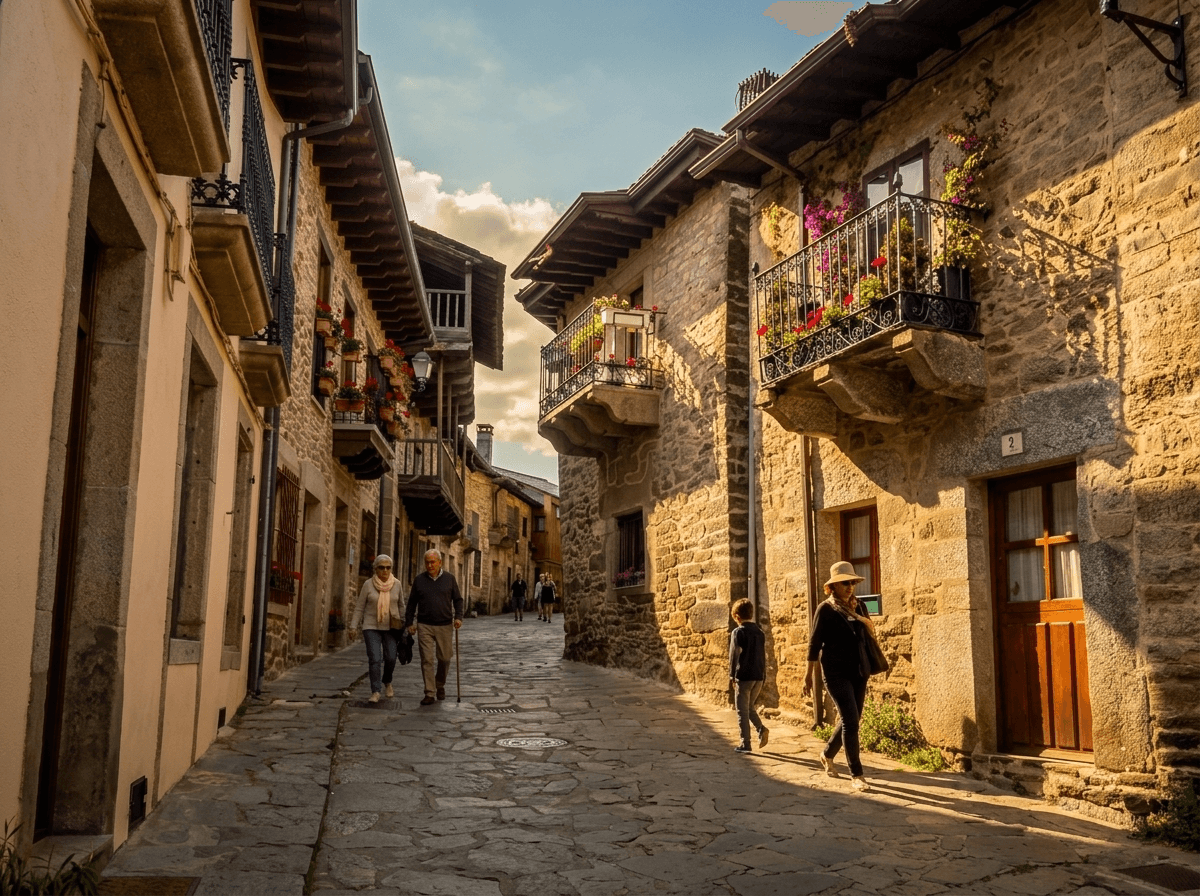
Spain made headlines in late 2024 for a rural revitalisation initiative that pays digital nomads up to €15,000 to move to underpopulated regions, specifically areas like the Ambroz Valley in Extremadura. It is real, it is active, and it is being explored in specialist expat groups by people who are genuinely interested in a different kind of Spanish life — slower, cheaper, and far removed from the nomad circuit.
This is not for everyone. Infrastructure varies, English is rare, and the community you build will be almost entirely local. But for the right person, someone genuinely interested in integrating, learning the language, and living rather than nomading, the incentive is substantial and the life on offer is unlike anything the coast can provide.
👉 Watch it here: https://youtu.be/AAkI5_N320U

What the Broader Trend Is Telling Us
The data shows a strong shift toward "slowmads" — nomads staying three to twelve months in each place instead of juggling a new country every few weeks. That shift changes everything about where people choose. A city that's great for two weeks may be exhausting for eight months. A town that sounds quiet on paper may be exactly right when you're trying to actually build a life.
Many nomads are quietly swapping Instagram-famous cities for second-tier or completely unknown ones that still offer great connectivity, genuine community, and an authentic daily life, without the premium that fame now commands.
Spain, in that context, is perfectly positioned. It has world-class cities for those who want them. It has medium-sized cities that are still genuinely affordable. It has towns where the menú del día still costs €9 and the neighbours know your name within a fortnight.
The question is not whether Spain is the right country. Expat Insider 2025 ranked Spain first in the Quality of Life Index. The question is which version of Spain is the right fit, and there's now more variety in that answer than there has ever been.

Before You Choose: The Visa Question
Every single one of these cities becomes meaningfully more accessible with the right legal framework, and that framework changed again at the start of 2026. The income threshold has moved. The application process has seen updates. And there are nuances around tax status, family inclusion, and what counts as proof of income that catch people out regularly.
We just released a comprehensive, fully updated video on the Spain Digital Nomad Visa for 2026, covering everything from the new income thresholds to the exact documentation you'll need and the common mistakes that get applications rejected.
👉 Watch it here: youtu.be/wxc3yDnYY18
If you're seriously considering Spain, this is the video to watch before you do anything else. 🇪🇸✈️

Hello, we're Bea and Paul…
...and we know exactly what it’s like to chase that better life. We spent 13 years working hard in Southern California, but after wrestling with one immigration hurdle after another, we realized that the "American Dream" wasn't quite working out for us. So, we sold everything, packed our bags, and moved to Spain—site unseen!
Our YouTube channel, Everything is Boffo (Life in Spain), tells the whole crazy story, from our first jamón to navigating our own residency here. We share the realities of life in Spain, the slow travel, the good food, and how we make it all happen.



Disclaimer: This content is provided for general informational and educational purposes only and should not be considered legal, financial, tax, medical, or immigration advice. Rules, visa requirements, housing regulations, tax obligations, and public services in Spain can change frequently and may vary depending on your nationality and personal circumstances. Always verify information with official government sources or qualified professionals before making decisions. Some links, resources, courses, consultations, and recommended services mentioned throughout our content may be affiliate partnerships, meaning we may earn a commission at no additional cost to you if you choose to use them. We only share resources, professionals, and services we genuinely trust or believe may be useful to our community. Any opinions expressed are our own and based on personal experience, research, interviews, and publicly available information at the time of publication.
Support from readers who use our links, courses, or resources helps us keep this information free, maintain the platform, and quite literally keep the lights on at home so we can continue producing guides like this for the community.
Newsletter
Subscribe now to get the latest updates.
Created with © systeme.io