
A City-by-City Guide to Eating Extraordinarily Well in Spain
You Don't Need a Special Occasion. You Just Need to Know How Spain Works.
A city-by-city guide to eating extraordinarily well in Spain — every day, on any budget, without waiting for a reason
There is a particular kind of food regret that only happens in Spain. It's not the regret of eating badly — it's the regret of realising, somewhere around day three, that you've been eating like a tourist when the locals around you have been eating magnificently for half the price.
The menus were in the window. The bar was full of workers in paint-stained clothes having a three-course lunch with wine. The fish was fresh at the market forty metres from where you had a mediocre pizza. And nobody told you, because in Spain these things are considered obvious.
This is the guide that tells you. City by city. Meal by meal. No special occasions required.
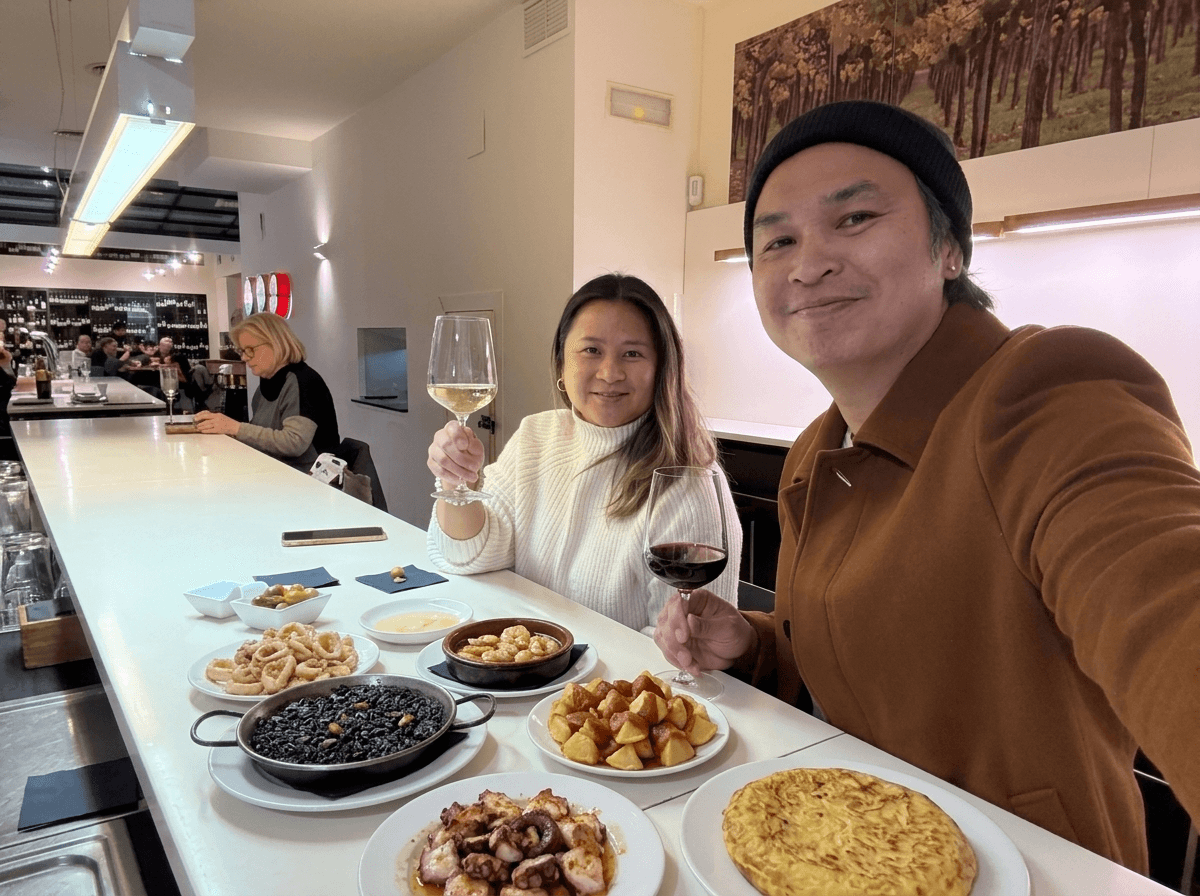
The Foundation: Three Rules That Apply Everywhere in Spain
Before we get to the cities, understand these first. They are the operating system on which all great eating in Spain runs.
Rule 1: Lunch is the main event. Lunch is the most important meal of the day in Spain. Everything else revolves around it. A traditional Spanish lunch is a multi-course affair, and in smaller towns, many businesses still close from 2 to 5pm for the lunch break. This is not a quirk to work around. It is the single most important piece of information in this guide.
Rule 2: The menú del día is the greatest food institution in Europe. For one fixed price, usually between €8 and €15, you get a choice of a beverage — mineral water, a soft drink, a caña of draft beer, or a glass of wine — plus a first course, a second course, bread, and dessert or coffee. The same meal ordered à la carte would cost double or triple. Locals eat it regularly. It was designed for workers who couldn't make it home for lunch. It remains the most honest expression of Spanish daily cooking you will ever encounter. Look for 'Bar-Restaurante' establishments frequented by local workers on weekdays. Menus change daily, so you can visit the same place and eat a different menu every day of the week.
Rule 3: When you eat matters as much as what you eat. In Spain, when you eat is almost as important as what you eat. Lunch is between 2pm and 4pm — perfect for the menú del día. Dinner is after 8:30pm — anything earlier is for tourists. Arrive at noon for lunch or before nine for dinner, and you will find an empty restaurant serving a different, less inspired version of itself. Adjust your clock and everything improves.
Armed with these three rules, here is what to eat where.
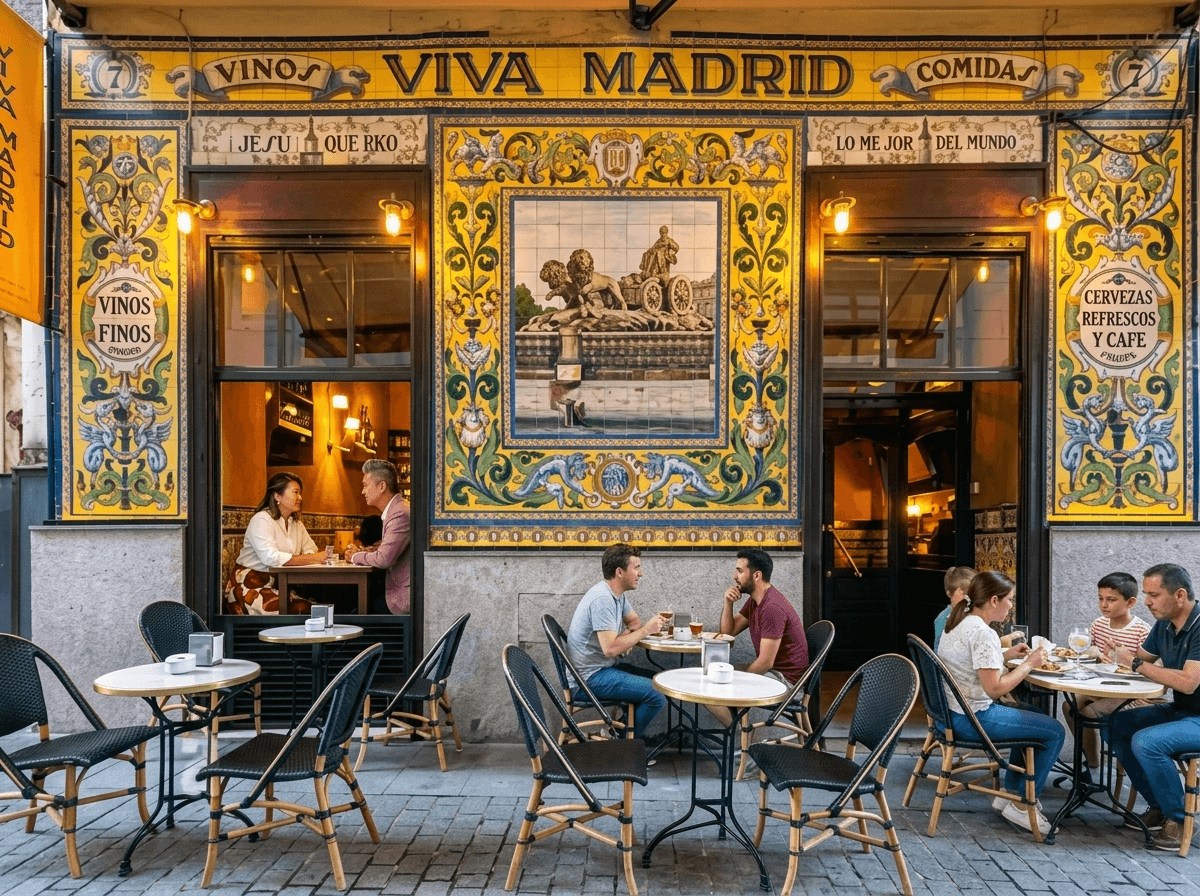
🥩 Madrid — The City That Eats Everything
Madrid is the one Spanish city with no coastline and somehow the freshest seafood in the country. Despite being totally landlocked, Madrid is home to some of the freshest fish and seafood available in Spain, because the city has historically demanded it and the supply chains have obliged.
Madrid has a genuinely good food scene for regional Spanish cooking, since you get a mix of food from different regions — restaurants that specialise in food of a particular area, alongside an eclectic and innovative tapas scene. It is, in this sense, a city where you can eat Spain's greatest hits under one metropolitan roof.
What to order: Start your morning at a traditional chocolatería with churros con chocolate — thick, molten, unapologetically rich. The best are found in old-school establishments where the chocolate is made properly and the churros are fried to order. For lunch, cocido madrileño — a slow-cooked chickpea stew with pork, chicken, and vegetables served in stages — is the city's great traditional dish. Order it anywhere that has it on the chalkboard, because it means someone started cooking it that morning.
The move nobody tells you about: Department stores in Madrid have cafeteria-style terraces on their upper floors offering an enormous variety of dishes with city views, at prices significantly below street-level restaurants. El Corte Inglés is a particular revelation — nobody expects extraordinary food in a department store, and that is precisely why the food is honest and the prices are fair.
For tapas: The La Latina neighbourhood is dense with bars where gambas al ajillo — flash-fried shrimp in sizzling garlic sauce — are a Madrid staple despite the city's landlocked geography. Order patatas bravas, croquetas de jamón, and a vermut on tap before lunch. Stand at the bar. This is not a suggestion for ambience — standing at the bar is cheaper, more social, and more correct.
The free tapas secret: In certain areas of Madrid, drinks still come with complimentary tapas. The tradition varies by neighbourhood and bar — the more local the establishment, the more likely you are to be fed while you drink. Ask no questions. Accept everything.
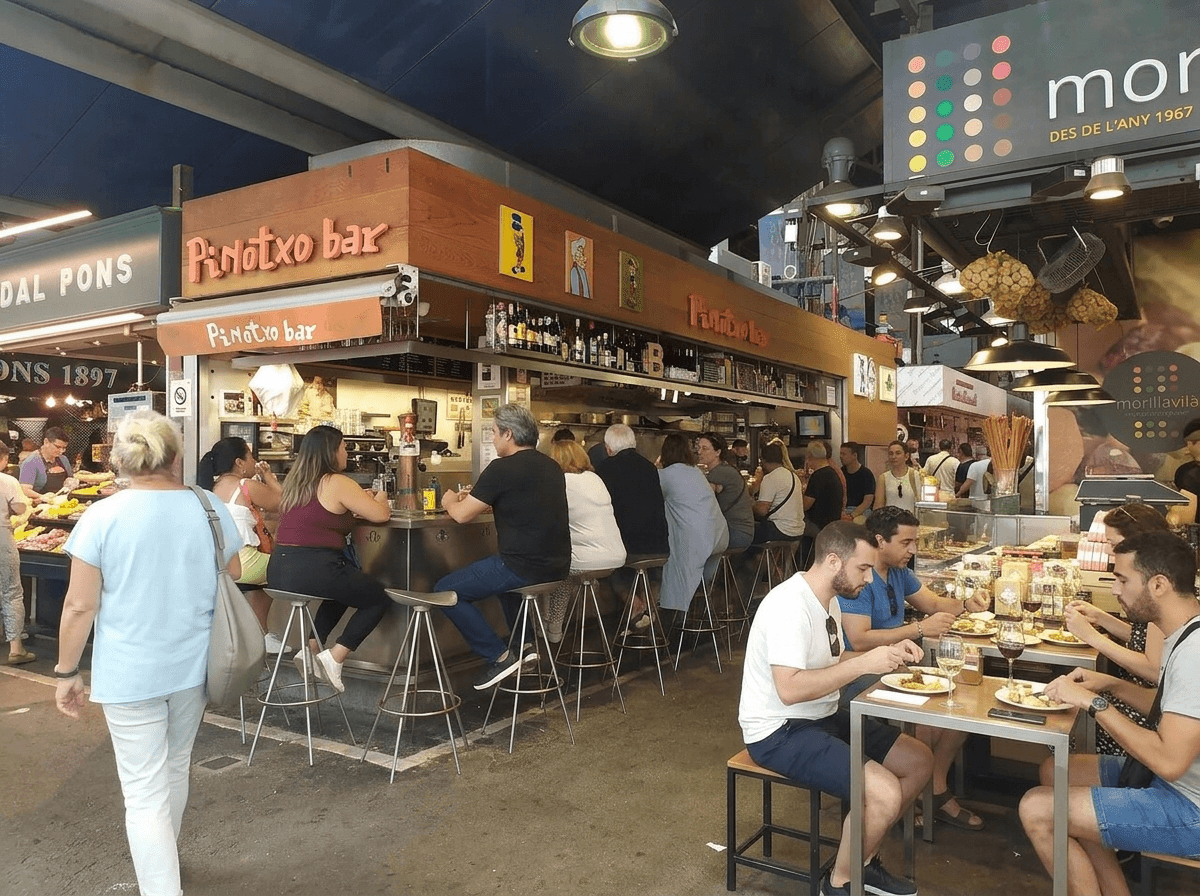
🥘 Barcelona — The Market Is the Meal
Barcelona's food culture is distinguished by one thing above all others: the quality and accessibility of its markets. Barcelona is heavy on seafood and bacalao, and its markets are among the best in Spain.
Catalan food culture features fresh Mediterranean vegetables like artichokes, eggplants, tomatoes, and garlic — simple ingredients elevated by obsessive sourcing. The Catalan staple of pa amb tomàquet — bread rubbed with tomato and olive oil — costs almost nothing, tastes like everything, and appears at virtually every table from breakfast through dinner.
What to order: The bomba — a deep-fried potato and ground beef ball topped with bravas sauce and alioli — hails from Barcelona's seaside Barceloneta district and is the city's great bar snack. Esqueixada (shredded salt cod salad with tomatoes and olives) is the Catalan summer dish that visitors never think to order but locals eat constantly. Seek out fideuà — the noodle paella — in any restaurant near the water.
The smarter market move: La Boqueria is famous. It is also, by now, almost entirely tourist-facing. The better eating is at the Mercat de Santa Caterina in El Born and Mercat de l'Abaceria in Gràcia — where vendors still sell to people who are actually cooking dinner, prices reflect the real world, and you can eat standing up at the bar inside the market for a fraction of what the tourist terraces charge.
For the menú del día: Walk away from Las Ramblas. Walk ten minutes in any direction. Beware eating in touristy plazas — major squares and popular outdoor terrace cafés charge significantly more and offer less. The same three-course lunch with wine that costs €22 near the waterfront costs €12 in the Eixample or Gràcia. Same kitchen quality, different postcode premium.
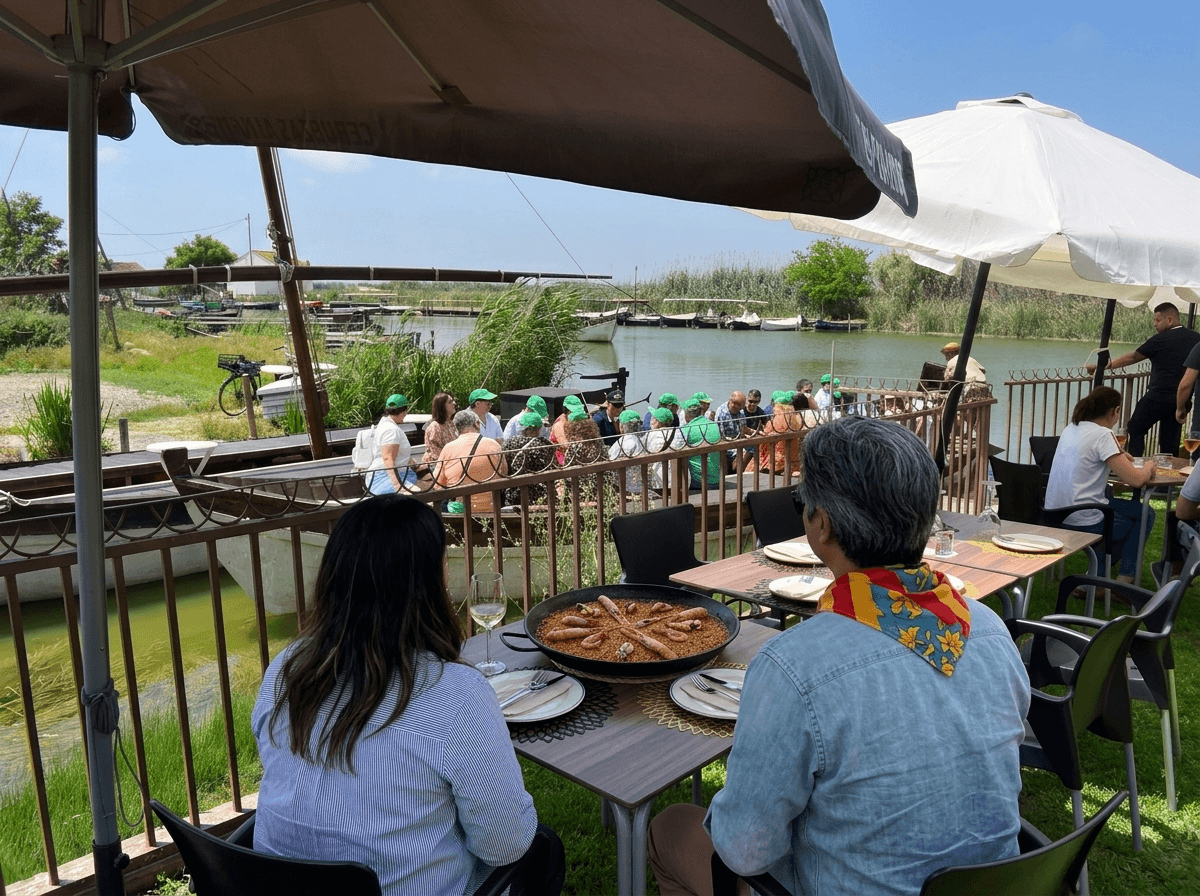
🍊 Valencia — Where the Serious Food Is Served at Lunch
Valencia is the city that taught the world what rice can do — and then watched the world misunderstand it for decades. Valencia is the birthplace of paella, where the original version contains chicken and rabbit, coloured by saffron, with different types of beans.
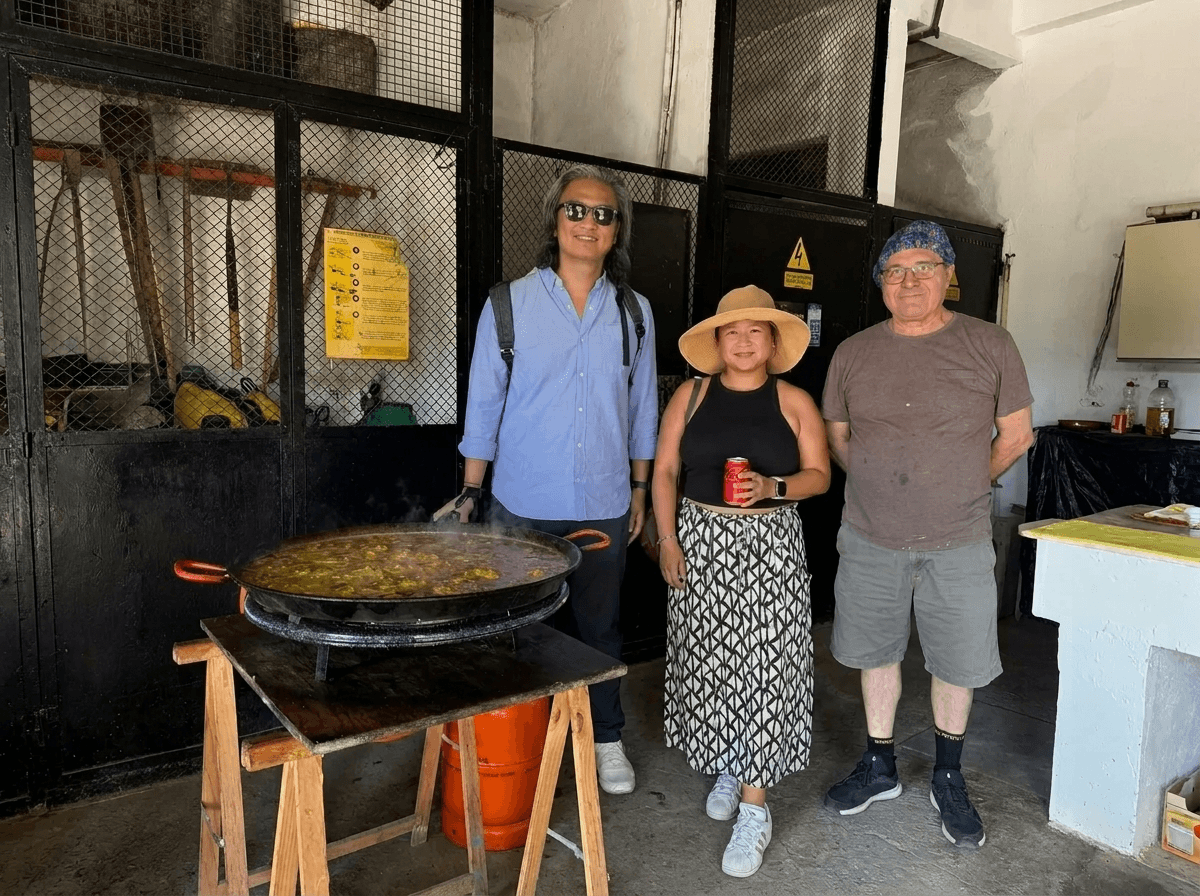
Here is the single most important piece of advice about eating in Valencia: paella is a lunch dish. Spaniards eat paella in the afternoon, traditionally on Sundays with family. Ordering paella at 9pm marks you as a tourist and you'll likely get a reheated version. If you want authentic paella, eat it at lunch. Order it before 3pm. Eat it near the Albufera lagoon if you can, where the rice is grown and the restaurants have been making it the same way for generations.
Beyond paella: Valencia's food scene has depth that most visitors never reach. All i pebre — a pungent eel stew with garlic and paprika from the Albufera region — is one of Spain's more unusual and extraordinary dishes. The mercado central sells the city's morning intake of produce and the bar inside it serves some of the best horchata and fartons (the traditional dipping pastry) you'll ever have. Drink your horchata cold, fresh, and with no additions. It is already perfect.
The neighbourhood with the best daily eating: Ruzafa. It is the food neighbourhood of Valencia without the tourist premium. The bars are full of locals at lunch, the menú del día options are outstanding, and an evening glass of wine with tostas will cost you almost nothing.
🌞 Granada — The Free Tapas Capital of the World
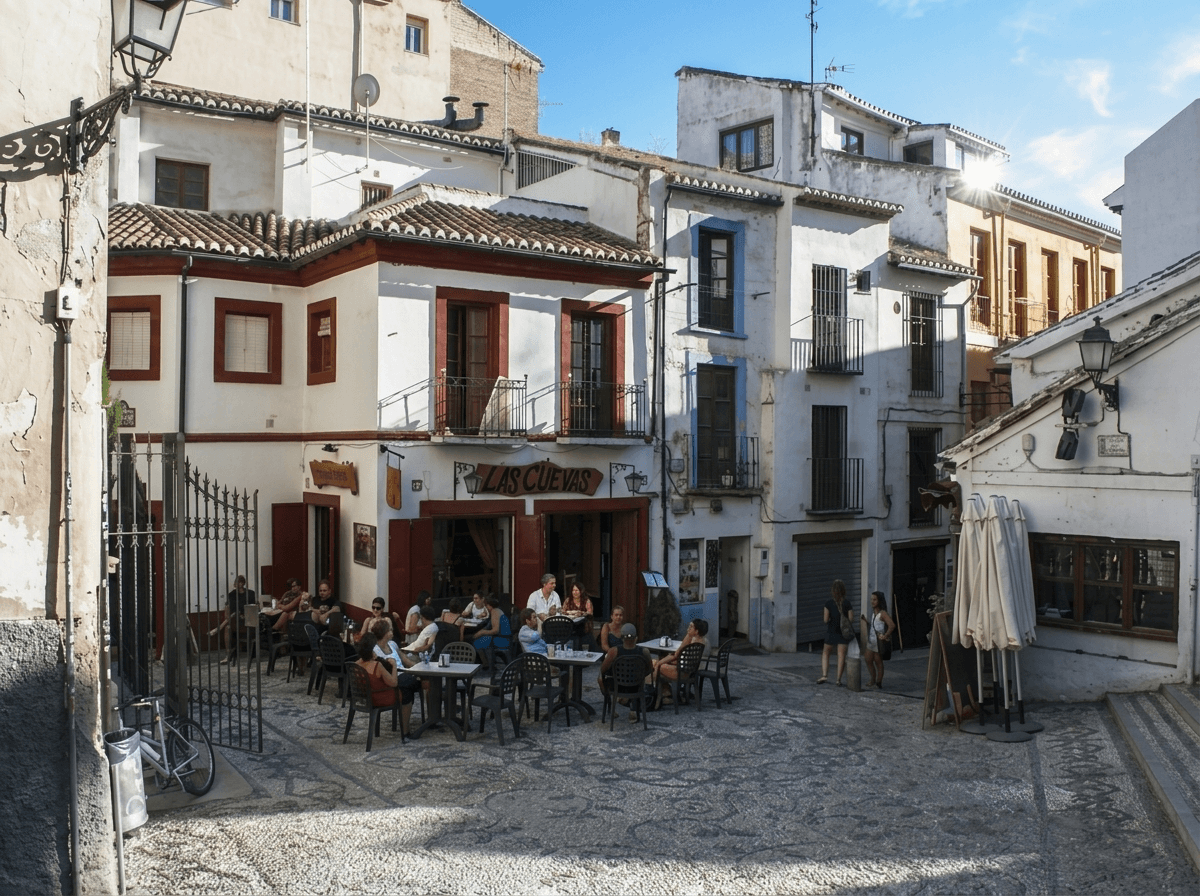
Granada is where the tapas tradition is most fully, most generously alive. In some regions, especially Andalusia, you get a free tapa with every drink ordered. The tradition is strongest in Granada — the place where an evening of drinks genuinely becomes an evening of eating.
The system is elegant: you order a drink, a small plate of food arrives. You order another, another plate arrives. Over the course of three drinks at three different bars — each a five-minute walk from the last — you have eaten a full and extraordinary meal, paid only for the drinks, and experienced the most civilised form of social eating ever devised.
What arrives with your drink: It varies by bar and by day, and that is the point. It can range from crisps and olives to a jamón sandwich, cheese, a croquette, sardines, or even a Russian salad. The more local the bar, the better the tapa. Never ask for a specific tapa. Accept what comes. This is an act of trust, and it is almost always rewarded.
What to seek out: At Granada's Calle Navas, vendors serve family-recipe gazpacho and salmorejo — gazpacho's thicker, creamier cousin, topped with jamón and a boiled egg. Pair it with a glass of cold Manzanilla sherry — bone dry, saline, faintly nutty — and you have the definitive Andalusian midday meal. Granada's freidurías — fried fish shops — serve pescaíto frito (small fish fried in chickpea batter) in paper cones to be eaten standing outside. It costs almost nothing and is one of the great street foods on earth.
The Albaicín neighbourhood rule: Enjoy the panoramic views. Eat Tapas. The tourist concentration drops sharply, the tapas quality rises, and the local bar energy is something that the historic centre, for all its beauty, cannot quite replicate.
🐟 San Sebastián and the Basque Country — The Place That Ruined All Other Eating
San Sebastián is a city thoroughly in love with quality cuisine, from the humble pintxo to three-star Michelin fare. It often tops best food destination lists and is considered the ultimate foodie destination in Spain.
Often dubbed "haute cuisine in miniature," pintxos perfectly showcase local produce — from spicy guindilla peppers to fresh local seafood from the Cantabrian Sea. When you walk into a buzzing bar in San Sebastián, you'll be greeted by a sea of toothpicks holding together an artful array of ingredients balanced atop small slices of bread. Take what you desire and keep your toothpicks to keep track of how much you owe at the end.
The system here is different: You don't order. You graze. You pick up a pintxo, eat it at the bar with a glass of txakoli — the local dry, slightly sparkling white wine — move to the next bar, pick up another. The bars of the Parte Vieja (old town) are compact, loud, covered in food, and completely magnificent. Budget €2–4 per pintxo. Budget more than you think. You will not stop.
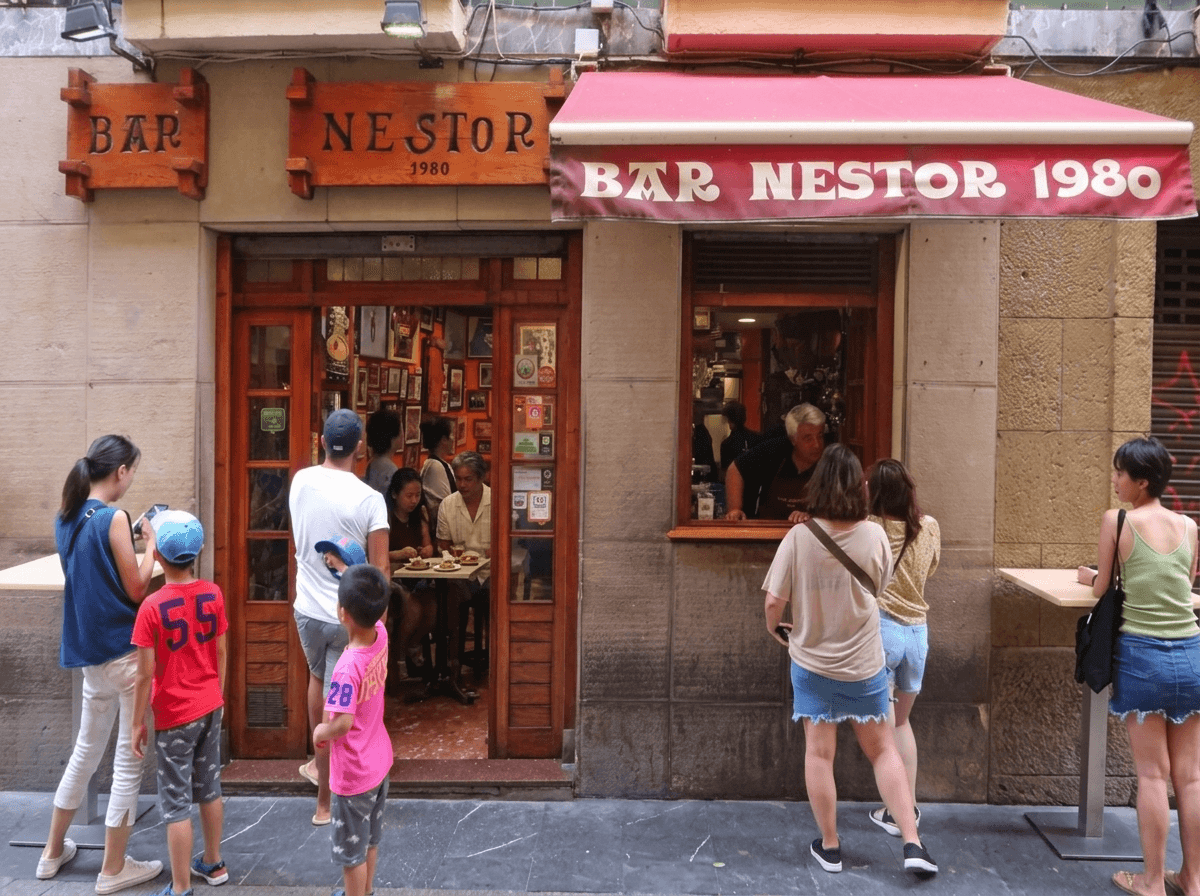
The single most legendary dish: Bar Néstor in San Sebastián serves only two tortillas per day — so queue early. Each slice is thick, soft, and perfectly balanced in flavour, best paired with a glass of txakoli. This is not hyperbole. People plan their days around the tortilla at Bar Néstor. The queue forms before it arrives. It runs out. The people who get it remember it for years.
Beyond the pintxos: If you have the time, seek out a Basque cider house (sagardotegia) in the hills outside the city. The tradition involves pouring cider directly from enormous barrels into your glass — held at arm's length — and eating a fixed menu of salt cod omelette, salt cod with peppers, and steak. It is loud, chaotic, communal, and completely worth it.
🐙 Galicia — The Northwest That Nobody Talks About Enough
Galicia is Spain's best kept food secret. A green, Atlantic region that feels more Celtic than Mediterranean, it produces seafood of a quality that prompts Spaniards from the rest of the country to make pilgrimages specifically to eat it.
Pulpo a la gallega — octopus boiled until tender, then dressed with olive oil, smoked paprika, and sea salt on a wooden board — is Galicia's signature dish, and eating it in its home region, at a pulpería that has been doing it the same way for three generations, is a genuinely moving culinary experience. Percebes (barnacles), nécoras (velvet crabs), zamburiñas (small scallops), and vieiras (the larger scallops Galicia is famous for) are all eaten with extraordinary simplicity — the best seafood anywhere needs very little done to it.
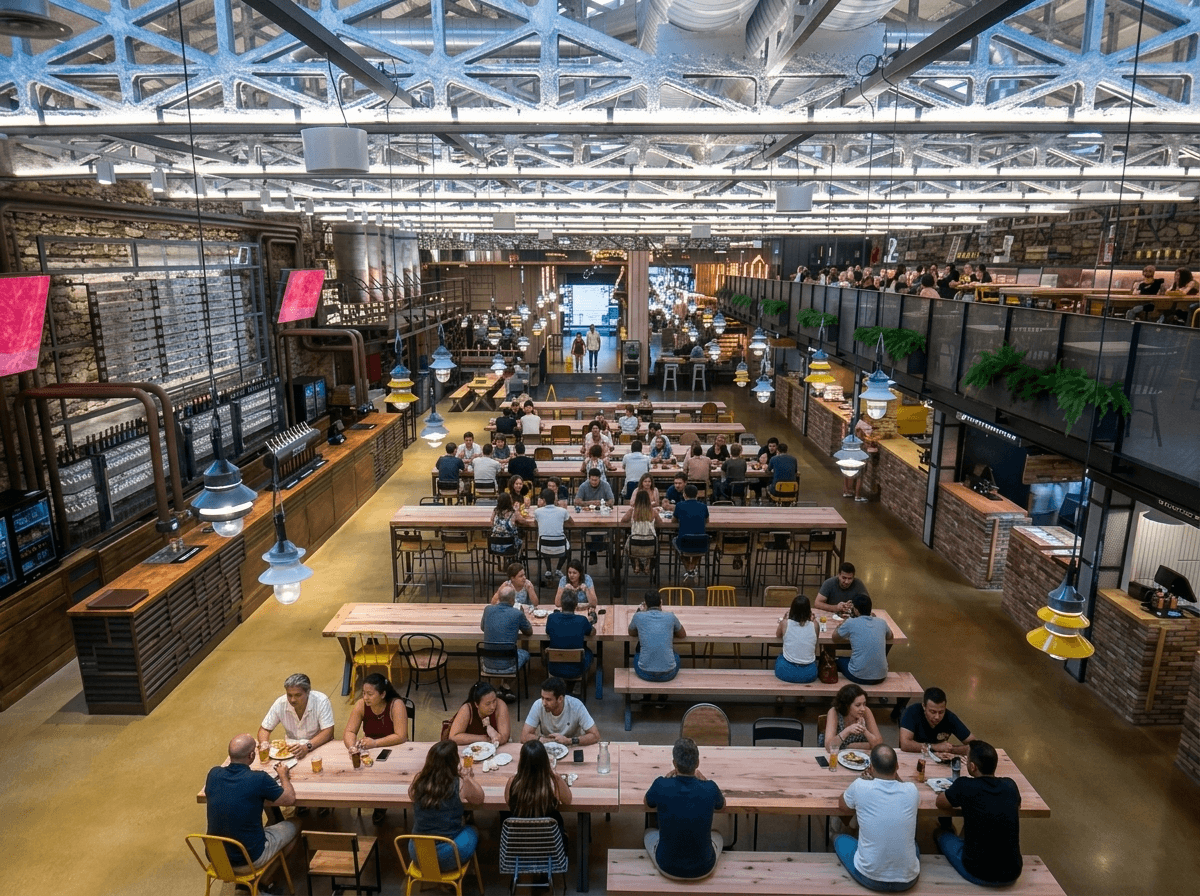
The best of Galicia is found not in restaurants but in the mercados of Santiago de Compostela, Vigo, and A Coruña, where the morning catch is laid out and a glass of Albariño — the local white wine, crisp and mineral — costs €2 and is refilled without drama.
The Moves That Work Everywhere
Regardless of city, these habits separate extraordinary eating from ordinary eating in Spain:
Ask for tap water. Agua del grifo is free, safe by law, and your right. Paying for bottled water at every meal in Spain is an entirely avoidable expense that adds up across a week or a month.
Stand at the bar. Standing at the bar is cheaper than sitting at a table and more social. If you're at a tapas bar, don't sit at a table unless you plan to order a full meal. The bar is where the energy is, the food comes faster, and the prices are lower.
Never order the menú del día at dinner. It doesn't exist at dinner. It is a lunch institution. Attempting to recreate it at dinner à la carte is how you spend triple the money for a more tired version of the same food.
Tipping is modest. Unlike in North America, a large percentage is neither expected nor required. Leaving small change or rounding up to the nearest euro shows enough appreciation for good service. For exceptional service in a higher-end restaurant, 5–10% is generous.
Embrace sobremesa. Sobremesa is the time spent at the table after eating, chatting and drinking coffee. It can last anywhere from 30 minutes to several hours. The waiter won't bring your bill until you ask for it. Trying to leave immediately after eating feels almost rude. Order the coffee. Stay. This is the part of Spanish eating culture that most visitors cut short and most regret missing.
The Bottom Line
In Spain, you don't just eat to live — you eat to share moments. The rhythm is everything: relax, embrace the pace, and let the flavours guide your day.
The extraordinary meal is not reserved for anniversaries, celebrations, or expense accounts. In Spain, it happens at 2:30pm on a Tuesday in a bar that has fifteen tables, a handwritten chalkboard menu, and a house wine that costs less than a coffee elsewhere. It happens in the queue for Bar Néstor's tortilla. It happens in Triana with a glass of sherry and a free plate of something wonderful.
You don't need a special occasion. You just need to know what time lunch starts. 🇪🇸
And when you’re ready to dive deeper—whether you’re planning a slow travel journey, scouting cities to live in, or just hungry for more insight—you’ll find plenty of practical guidance on:
• Bite Sized Adventures (for short, digestible insights)
• Our YouTube channel (full guides on life in Spain, slow travel, budgeting, visas, and how to make this dream actually happen)
Spain rewards curiosity. Start anywhere on this list, and you’ll end up returning—probably with a longer itinerary and a growing suspicion that life is better when you’re not rushing.
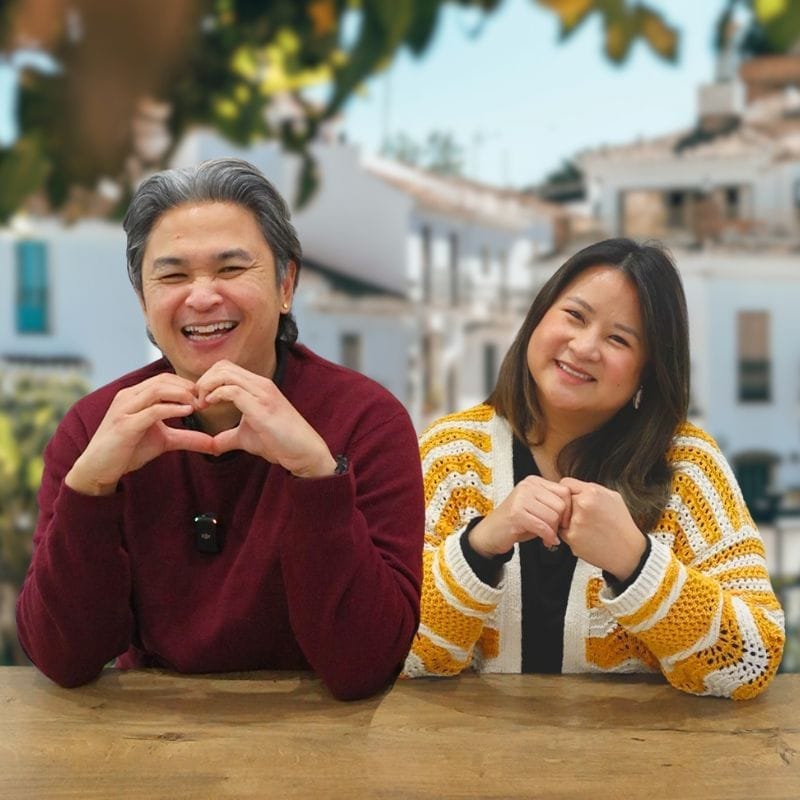
Hello, we're Bea and Paul…
...and we know exactly what it’s like to chase that better life. We spent 13 years working hard in Southern California, but after wrestling with one immigration hurdle after another, we realized that the "American Dream" wasn't quite working out for us. So, we sold everything, packed our bags, and moved to Spain—site unseen!
Our YouTube channel, Everything is Boffo (Life in Spain), tells the whole crazy story, from our first jamón to navigating our own residency here. We share the realities of life in Spain, the slow travel, the good food, and how we make it all happen.



Disclaimer: This content is provided for general informational and educational purposes only and should not be considered legal, financial, tax, medical, or immigration advice. Rules, visa requirements, housing regulations, tax obligations, and public services in Spain can change frequently and may vary depending on your nationality and personal circumstances. Always verify information with official government sources or qualified professionals before making decisions. Some links, resources, courses, consultations, and recommended services mentioned throughout our content may be affiliate partnerships, meaning we may earn a commission at no additional cost to you if you choose to use them. We only share resources, professionals, and services we genuinely trust or believe may be useful to our community. Any opinions expressed are our own and based on personal experience, research, interviews, and publicly available information at the time of publication.
Support from readers who use our links, courses, or resources helps us keep this information free, maintain the platform, and quite literally keep the lights on at home so we can continue producing guides like this for the community.
Newsletter
Subscribe now to get the latest updates.
Created with © systeme.io